



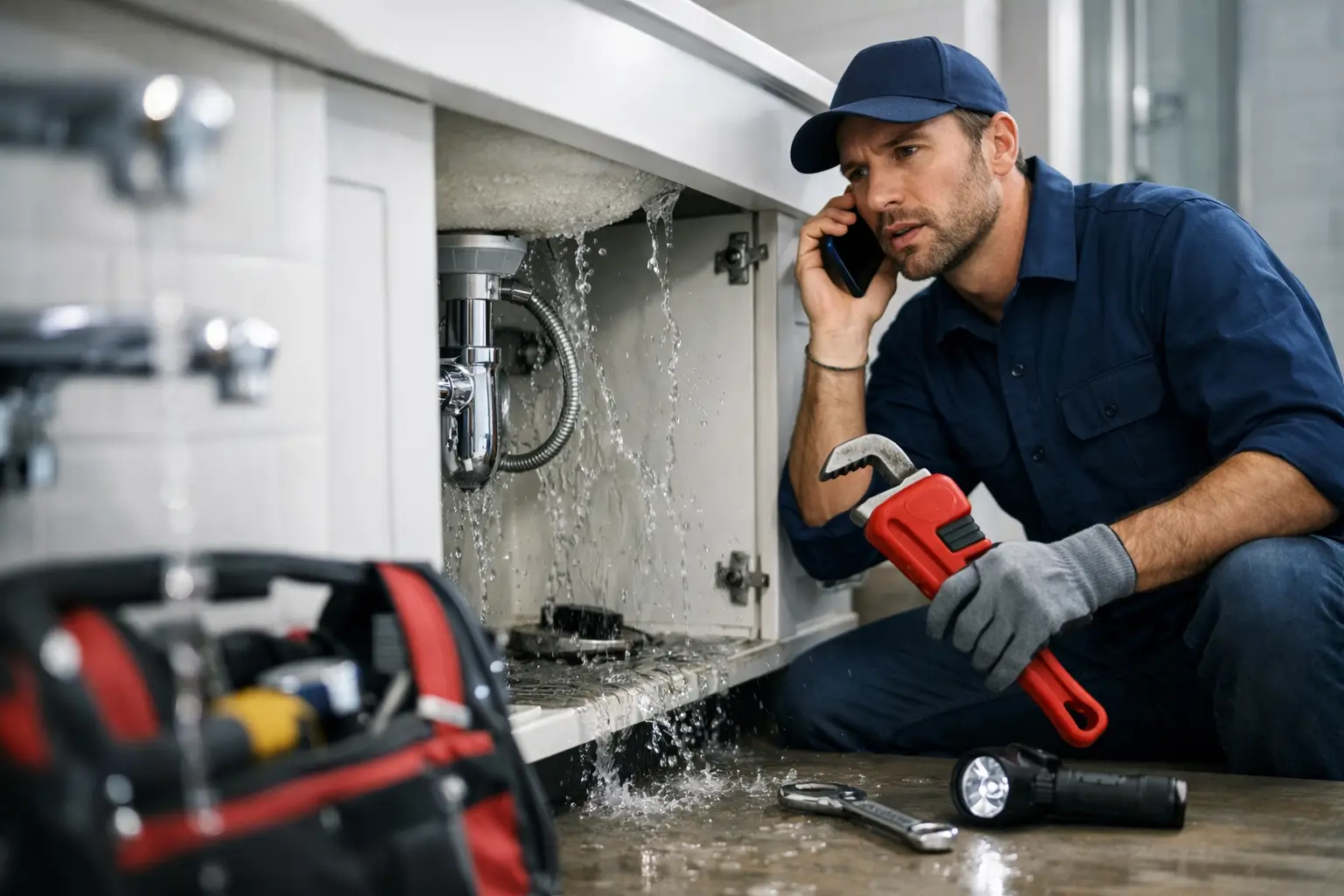
A backed-up toilet at 10 p.m., a pipe spraying water under the sink, or a sewer smell creeping through the house can turn a normal day into a real problem fast. If you are asking when should I call an emergency plumber, the short answer is this: call when waiting could cause property damage, create a health risk, or leave your home or business without a plumbing fixture you cannot reasonably do without.
That does not mean every plumbing issue is a middle-of-the-night emergency. Some problems can wait until morning. Others get worse by the hour, especially in South Florida where heat, humidity, slab foundations, aging lines, and heavy rain can add pressure to an already stressed plumbing system. The key is knowing the difference before a small repair becomes a major cleanup.
When should I call an emergency plumber right away?
If water is actively escaping where it should not, sewage is coming back into the property, or your plumbing failure is creating immediate disruption, it is time to call. In most cases, emergencies fall into three categories: uncontrolled water, sanitation hazards, and total loss of essential plumbing.
A burst pipe is the clearest example. If a line has split and water is flowing into walls, flooring, cabinets, or ceilings, every minute matters. Shutting off the local valve or the main water supply can reduce the damage, but that does not solve the repair itself. The longer water sits, the greater the risk of structural damage, mold growth, and higher restoration costs.
Sewer backups are another true emergency. If wastewater is rising into tubs, showers, toilets, or floor drains, the issue is not just inconvenient. It can expose your household or staff to contamination and make bathrooms unusable. This is especially serious in homes with children, older adults, or anyone with a compromised immune system.
You should also call right away if you have no water at all and the problem appears to be inside your property line, or if a major leak is affecting electrical areas, drywall, or a lower floor. Water and power in the same space is never something to take lightly.
Signs a plumbing problem cannot wait until morning
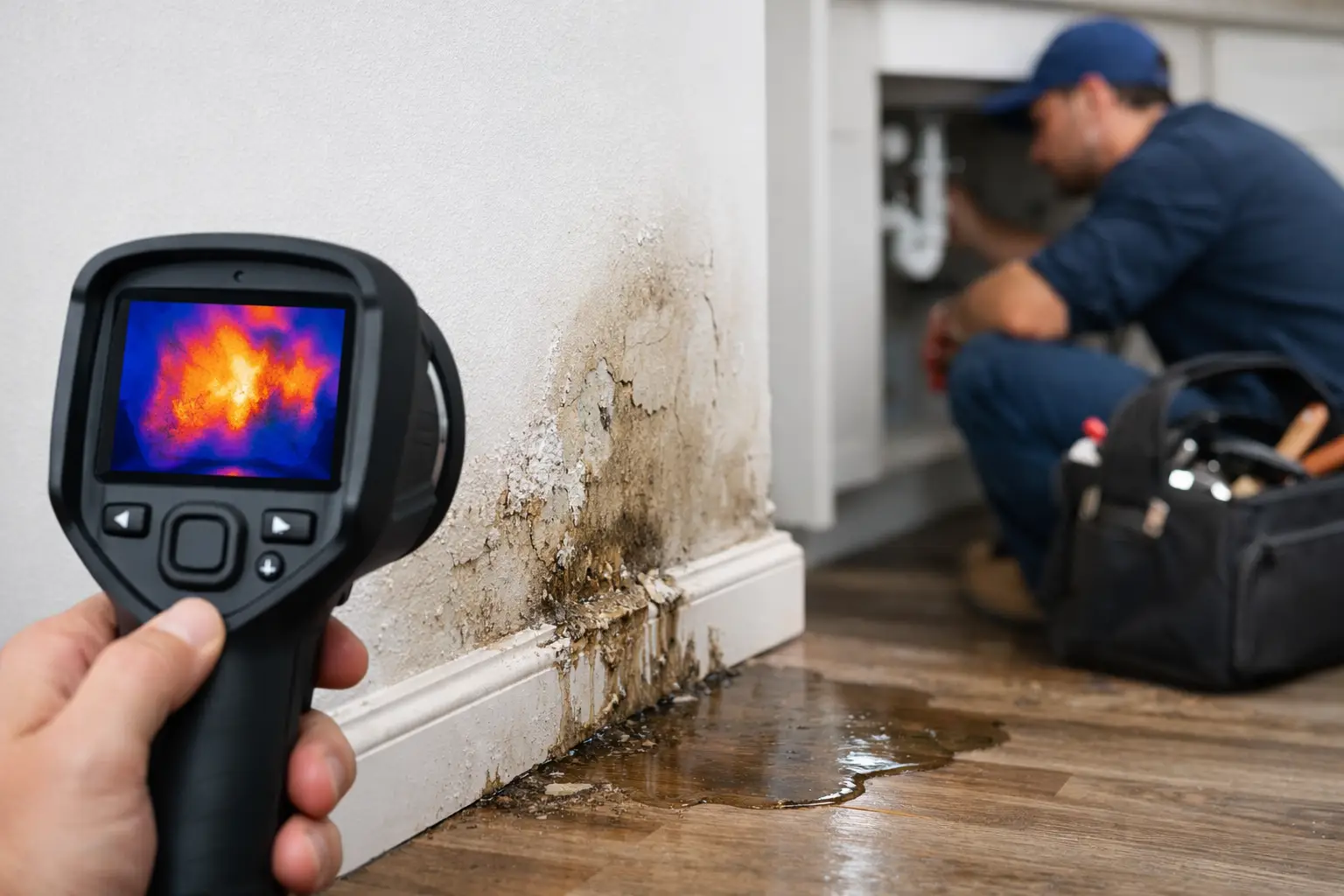
Some emergencies do not start with a dramatic pipe break. They build quietly, then tip into expensive damage. If you notice water stains spreading across a ceiling, a sudden drop in water pressure throughout the property, or the sound of running water when nothing is on, treat that seriously. Those signs can point to a hidden leak behind walls or under the slab.
A single clogged sink usually is not an emergency. But if multiple drains are backing up at once, especially the toilet, tub, and floor drain together, that is often a sign of a deeper blockage in the main line. Once the main line is compromised, wastewater has nowhere to go except back into the property.
A failing water heater can also require immediate service, depending on what is happening. No hot water alone may be urgent but not always an emergency. A leaking water heater, rust-colored water, popping sounds from the tank, or water pooling underneath it is different. If the unit ruptures, it can release a significant amount of water quickly.
Gas-related concerns deserve immediate action as well. If your water heater or other plumbing-connected appliance gives off a gas smell, leave the area and contact the proper emergency utility response first. That is not a wait-and-see situation.
What can usually wait for regular plumbing service?
Not every plumbing issue calls for after-hours dispatch. A dripping faucet, a slow drain in one fixture, a running toilet that still shuts off manually, or a minor garbage disposal jam can often wait until standard service hours. The same goes for one sink with low pressure or a toilet that is working but not flushing as strongly as usual.
The deciding factor is risk. If the problem is annoying but contained, and it is not causing water damage or a sanitation issue, it can probably wait. If it is spreading, worsening, or affecting your ability to safely use the home or operate the business, it probably should not.
This is where many property owners get stuck. They do not want to overreact, but they also do not want to wake up to soaked flooring or a flooded bathroom. A good rule is simple: if you are shutting off water to part of the property just to keep damage under control, that repair has moved beyond routine.
The most common emergency plumbing calls
Across South Florida homes and light commercial properties, a few problems come up again and again.
Burst or cracked pipes are common after pressure issues, corrosion, age, or accidental damage. Even a small split can release a surprising amount of water behind a wall.
Severely clogged drains become emergencies when plunging does not work, water backs up into other fixtures, or sewage is involved. A kitchen sink that drains slowly is one thing. A system-wide backup is another.
Overflowing toilets count as emergencies when they do not stop running, will not flush down, or keep backing up after basic attempts to clear them. If it is the only toilet in the home or business, urgency goes up.
Slab leaks and hidden line leaks can be harder to identify, but signs like warm spots on the floor, unexplained water bills, damp flooring, or mildew odors should not be ignored.
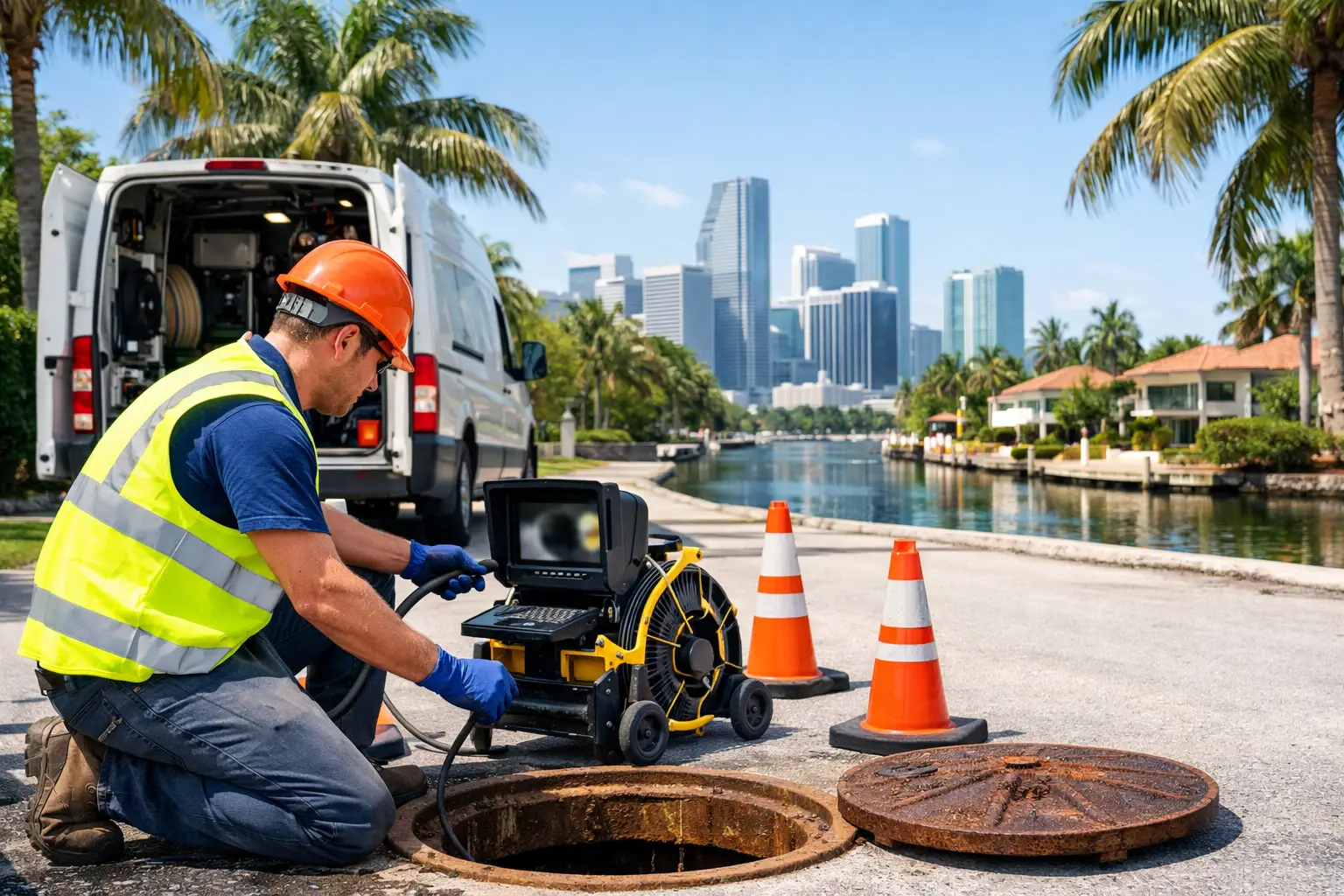
Water line and sewer line failures also need fast attention because they affect the entire property. If the issue is outside, some owners assume it can wait. Often it cannot, especially if access to water or sanitation is compromised.
What to do before the plumber arrives
The first step is to stop the damage if you can do so safely. Shut off the fixture valve if the leak is isolated to a sink, toilet, or appliance line. If that does not stop it, shut off the main water supply. Every property owner should know where that valve is before there is a crisis.
Next, keep people away from contaminated water or slippery surfaces. If wastewater is involved, do not use other plumbing fixtures until the system is assessed. Running more water into a backed-up line usually makes the cleanup worse.
If it is safe, move rugs, boxes, electronics, or small furniture away from the affected area. Take a few photos for documentation if property damage is visible. Then call a plumber and explain exactly what is happening: what is leaking, when it started, whether the water is clean or dirty, and whether you have already shut anything off.
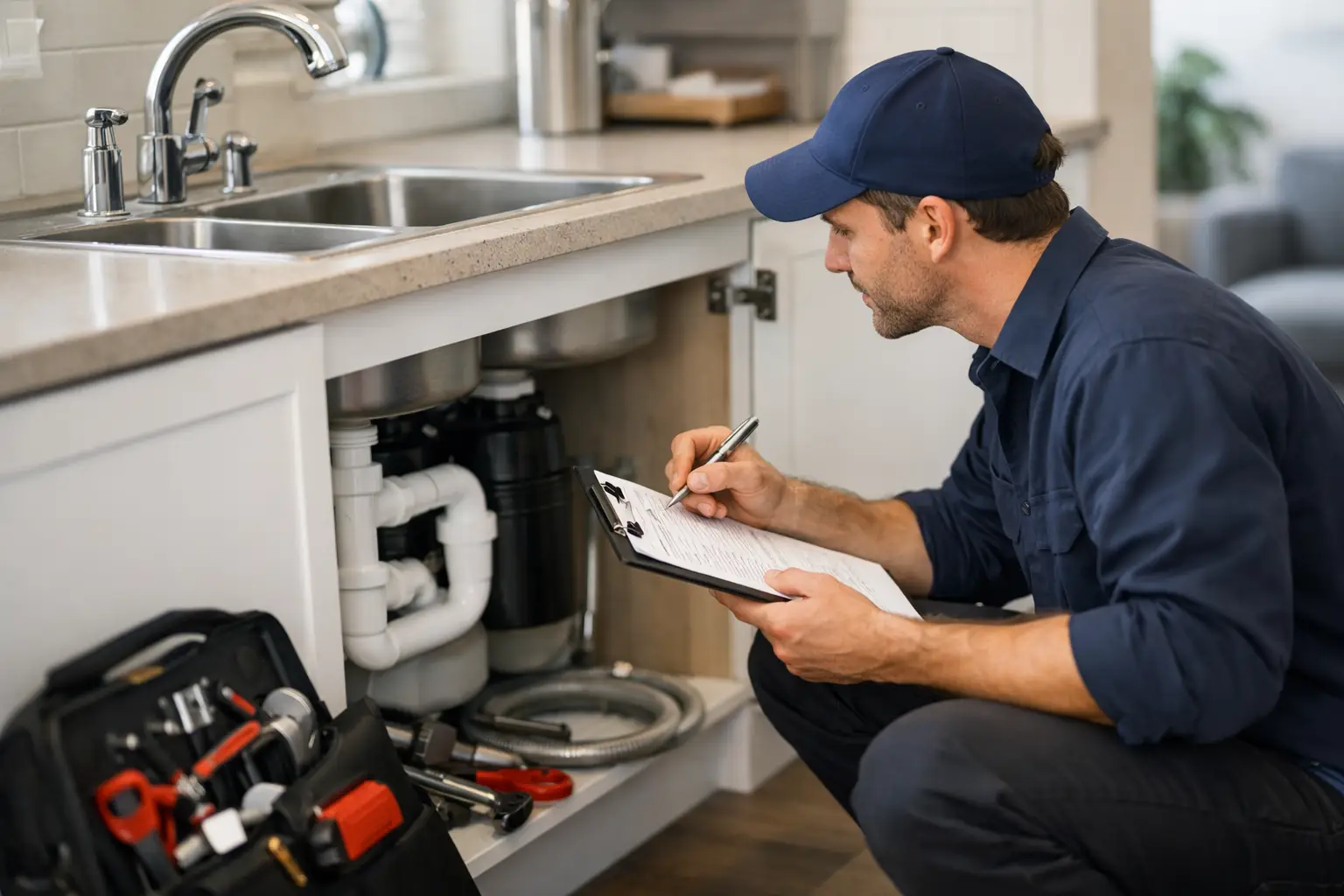
Clear information helps the technician arrive prepared. It also helps you get a more accurate idea of the urgency and likely next steps.
Why emergency timing matters more than people think
One reason people delay the call is cost. They worry an emergency visit will automatically mean inflated pricing, rushed work, or pressure to approve more than they need. That concern is understandable. The plumbing industry has earned some of that skepticism.
But delay can be more expensive than service. Water damage spreads. Cabinets swell. Baseboards absorb moisture. Drywall softens. Mold risk increases. A blockage that might have been cleared early can become a cleanup and repair project affecting multiple rooms.
This is why transparency matters. If you need emergency plumbing help, you should know what the service call involves, whether there are after-hours charges, and what the repair options are before work begins. Clear pricing and honest diagnostics are not extras. They are part of what makes emergency service trustworthy.
For homeowners, sellers, and local business owners, fast response matters too. A plumbing failure can interrupt a showing, shut down a restroom, damage inventory, or turn a manageable repair into a lost weekend. In moments like that, you want a plumber who shows up ready to solve the problem, not just inspect it.
When should I call an emergency plumber in South Florida?
In this region, urgency can escalate faster than many people expect. Heavy rain can stress drains and sewer systems. Older piping in coastal areas may be more vulnerable to corrosion. Vacation homes, vacant properties, and seasonal occupancy can allow leaks to go unnoticed longer than they should.
That means South Florida property owners should be especially cautious with signs of hidden leaks, sewer odors, standing water around cleanouts, and unexplained spikes in water bills. If something feels off, it usually is. Waiting for a bigger symptom is rarely the safer move.
Blue Tide Plumbing is built for exactly these moments, with around-the-clock response, upfront pricing, and no after-hours or weekend upcharges. That kind of service matters when you need an answer quickly and do not have time for sales pressure.
The best rule is a practical one: call an emergency plumber when the problem is active, unsanitary, damaging, or disabling a plumbing fixture you truly need. If you are not sure, make the call anyway. It is better to get a straight answer early than to spend the night hoping the water stays where it belongs.

Leave a Reply