



A sink that starts gurgling at breakfast has a way of becoming a full-blown problem by dinner. If you are searching for how to clean out a drain, the goal is not just to get water moving again. The goal is to clear the blockage without damaging your pipes, making the clog worse, or turning a small issue into an emergency.
In most homes, a slow drain starts with buildup, not a major pipe failure. Kitchen lines collect grease, soap, and food scraps. Bathroom drains trap hair, toothpaste, and residue from daily use. Floor drains and shower drains can hold onto sand, lint, and debris, which is especially common in South Florida homes where outdoor grit gets tracked inside. The right fix depends on where the clog is and how stubborn it has become.
How to clean out a drain without causing damage
Start by slowing down. A lot of drain problems get worse because someone reaches for the harshest chemical on the shelf and hopes for the best. Caustic drain cleaners can damage older pipes, weaken fittings, and create a safety hazard for whoever has to work on the line next. They also do not always remove the clog. Sometimes they just burn a small channel through it, which means the drain backs up again soon after.
A better first step is to identify the type of drain and the symptoms. If only one sink is slow, the issue is usually local to that fixture. If multiple drains are backing up, or a toilet bubbles when a sink drains, the problem may be farther down the line. That is when a simple cleanup can turn into a sewer or main drain issue, and forcing the wrong fix can cost you time and money.
Start with the simplest check
If there is standing water, remove as much as you can with a cup or small container so you can work safely. Then take a look at the drain opening. In bathroom sinks and tubs, visible hair and soap sludge near the top are common. A gloved hand, a plastic drain tool, or a bent zip tie can sometimes pull out enough buildup to restore flow right away.
Next, flush the drain with hot water, but use judgment here. For metal pipes, hot water can help loosen soap and light grease. For PVC pipes, very hot or boiling water is not always the best idea, especially if there are glued joints under stress. Warm to hot tap water is the safer option.
Use a plunger the right way
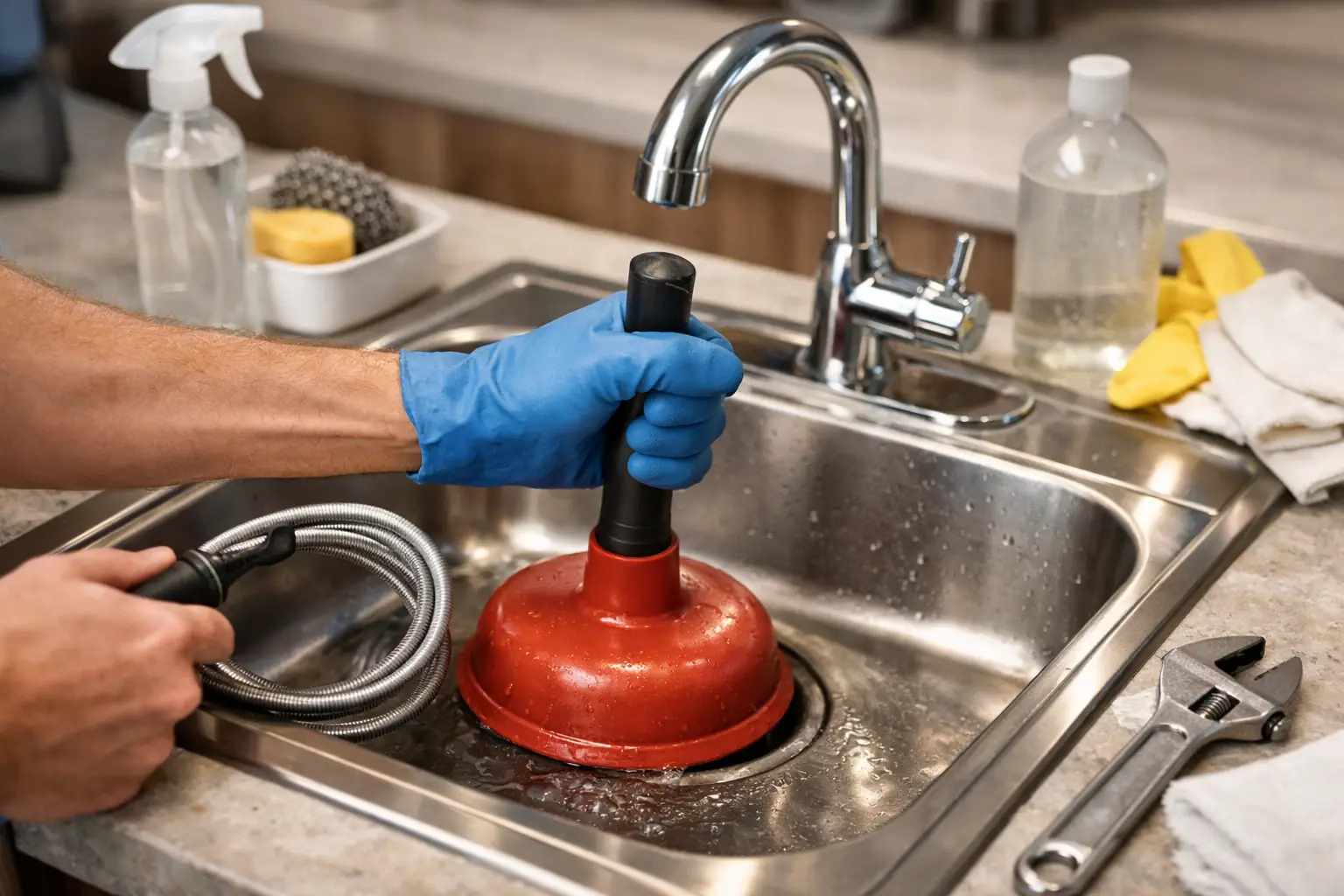
A plunger is still one of the best tools for a routine clog, but technique matters. For a sink, cover the overflow opening with a rag so pressure goes down into the drain instead of escaping. Add enough water to cover the plunger cup, then make several firm, controlled plunges. You are trying to move the blockage, not beat the pipe into submission.
For a shower or tub, remove the drain cover first if possible. That gives you a better seal and may let you pull out hair before you even start plunging. If the clog loosens, run water for a minute or two and see if the drain keeps up.
Clean the sink trap if it is a bathroom or kitchen sink
If plunging does not work and the clog is in a sink, the P-trap is often the next place to check. Put a bucket underneath, then loosen the slip nuts by hand or with pliers if needed. Keep a towel nearby. Even a small trap can hold dirty water and buildup.
Once the trap is off, inspect it for sludge, grease, food debris, or other material. Clean it thoroughly, then check the short section of pipe leading into the wall. If the trap is clear but the line beyond it is blocked, you may need a hand auger.
This step is straightforward for many homeowners, but if fittings are old, corroded, or overtightened, forcing them can create a leak. If the trap does not come apart easily, it may be smarter to stop there.
How to clean out a drain with a snake or hand auger
A drain snake works better than chemicals for tougher clogs because it physically breaks up or retrieves the blockage. For bathroom sinks, tubs, and showers, a small hand auger is usually enough. Feed the cable in slowly, tighten the set screw, and turn the handle as you push forward. When you feel resistance, do not force it all at once. Work the cable back and forth until it bites into the clog or pushes through it.
Pull the cable out carefully and clean it as you go. It is messy, but that is part of the job. Once the line feels clear, run water and test the drain for several minutes.
Kitchen drains are a little different. Grease clogs can smear along the pipe walls, which means a snake may punch a hole through the center without removing the full buildup. That can improve flow temporarily, but the clog may return. If your kitchen sink keeps slowing down after snaking, the line may need a more complete cleaning.
When not to use a homeowner snake
There is a point where DIY tools stop being the right answer. If the cable gets stuck, if you hit a solid obstruction that will not move, or if the drain is still backing up after multiple passes, more force is not better. On older lines, aggressive snaking can scratch, crack, or dislodge weakened pipe material. In some cases, especially with recurring blockages, the issue may be scale buildup, root intrusion, or a partial collapse farther down the system.
That is also why store-bought drain bladders and makeshift pressure tricks can backfire. They can push a clog deeper or create a leak behind the wall. Fast fixes are only useful if they actually solve the right problem.
Common drain mistakes that make clogs worse
Most drain problems are manageable early and harder later. One common mistake is pouring grease down the kitchen sink, even with hot water afterward. Grease cools, sticks, and collects other debris. Another is relying on chemical cleaners over and over instead of removing the actual blockage.
In bathrooms, flushing wipes, cotton products, or paper towels causes trouble fast, even when packaging says flushable. Those products do not break down like toilet paper. In shower drains, ignoring slow drainage for weeks lets hair and soap pack tighter until simple tools stop working.
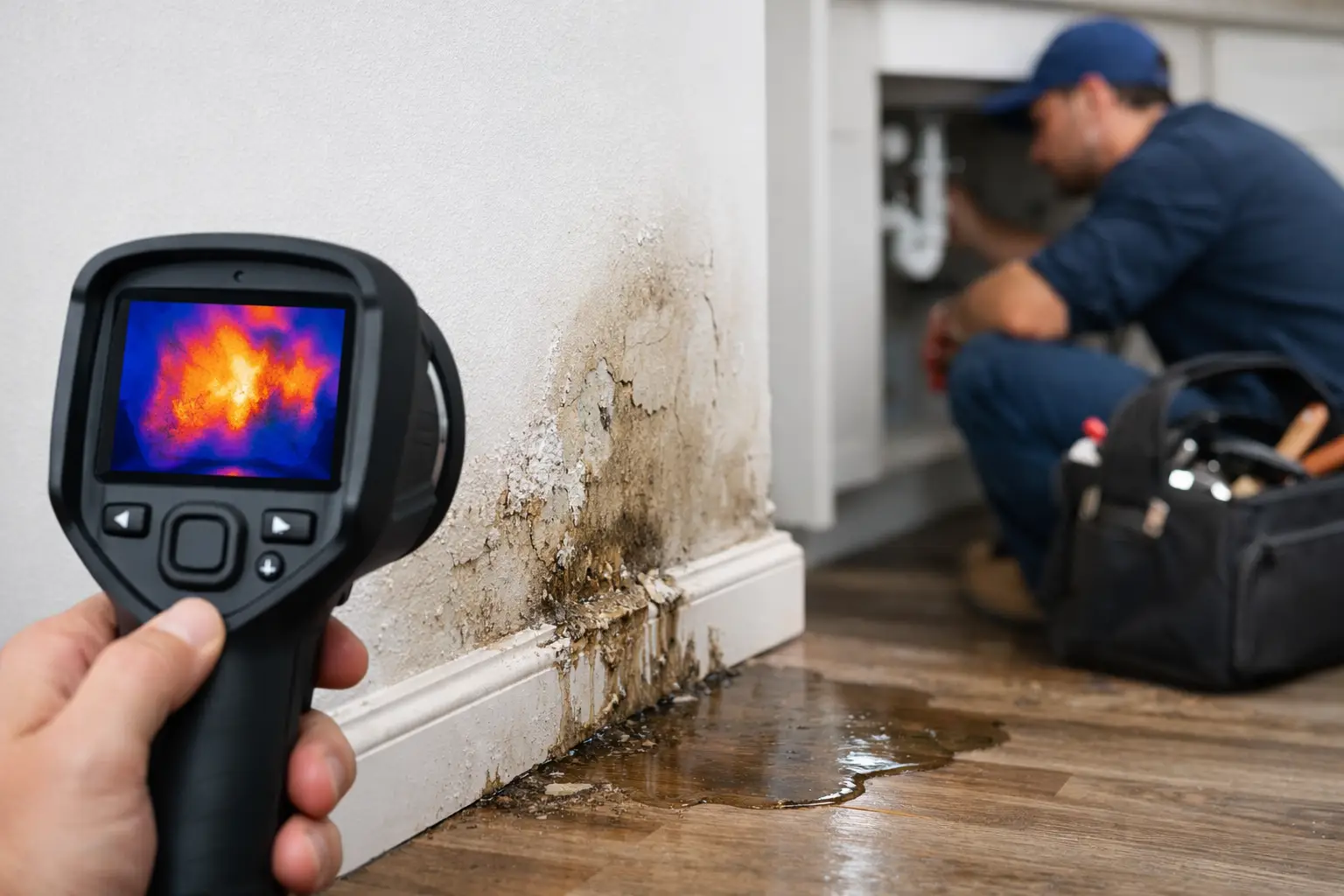
A final mistake is assuming every slow drain is minor. If more than one fixture is affected, if you smell sewage, or if water comes up in a tub when another fixture drains, that is no longer a basic clog at the fixture. That points to a bigger drainage issue that needs proper diagnosis.
Signs it is time to call a plumber
If you have tried the safe basics and the drain is still slow, that is the time to bring in a professional. The same goes for repeated clogs, bad odors that do not go away, or backups that affect multiple fixtures. These are not conditions where guesswork pays off.
A plumber can determine whether the problem is in the trap, branch line, main drain, or sewer connection. Depending on the cause, the right fix might be cable cleaning, camera inspection, or hydro jetting. That matters because the cheapest-looking option is not always the most durable one. A line packed with grease or scale often needs more than a quick punch-through.
For homeowners and businesses in places like Miami, Fort Lauderdale, and Hollywood, heavy rain, older piping, and high-use systems can all add pressure to drainage issues. When a drain problem is tied to the main line, waiting too long can turn a nuisance into water damage or a sanitation issue.
Blue Tide Plumbing approaches that kind of call the way it should be handled – with clear diagnostics, upfront pricing, and no games. If a drain can be cleared safely without overselling extra work, that is the right move. If the line needs more than a simple cleaning, you should know why before the work starts.
Keeping drains clear after the clog is gone
Once the drain is flowing again, a little maintenance goes a long way. Use sink strainers where they make sense. Keep grease, coffee grounds, and food scraps out of kitchen lines. Remove visible hair from shower drains before it packs down. Every so often, flushing a drain with hot tap water and a little dish soap can help reduce light residue, especially in bathroom sinks.
Still, prevention has limits. Some clogs come from pipe condition, not bad habits. If your property has older cast iron lines, recurring buildup may have more to do with the inside of the pipe than what went down the drain last week. That is why repeat problems deserve a real look instead of another temporary fix.
A clear drain should stay clear. If it does not, that is your sign to stop fighting the symptom and get the cause handled properly.




Leave a Reply