
A shower that turns into a trickle is not just annoying. It usually means something in your plumbing system is restricting flow, failing, or wearing out. If you’re searching for how to fix low water pressure, the right starting point is figuring out whether the problem is isolated to one fixture or affecting the whole property.
That distinction matters. A single weak faucet often points to a clogged aerator or fixture issue. Low pressure throughout the house can mean a partially closed valve, a hidden leak, a failing pressure regulator, pipe corrosion, or a supply problem outside the building. The sooner you narrow it down, the faster you can decide whether this is a simple fix or a job for a licensed plumber.
How to fix low water pressure: start with the basics
Begin with the fixtures you use every day. Turn on the kitchen faucet, a bathroom sink, and the shower. Then test both hot and cold water. If only one faucet is weak, the issue is likely local. If the whole house has poor pressure, think bigger.
Check whether the problem affects only hot water. If it does, your water heater may be part of the issue. Sediment buildup, a partially closed valve, or an internal restriction can reduce flow on the hot side while the cold side still feels normal.
Next, look at the shutoff valves. Under sinks and behind toilets, fixture valves should be fully open unless they were intentionally adjusted. At the main water supply, make sure the house shutoff valve is completely open as well. It sounds simple, but partially closed valves are one of the most common causes of weak flow after plumbing work or maintenance.
If your home has a pressure-reducing valve, that also deserves attention. These valves are designed to protect your plumbing from excessive municipal pressure, but when they start to fail, pressure can drop noticeably across the whole house.
Check for clogged aerators and showerheads
If low pressure is limited to one sink or shower, remove the aerator or showerhead and inspect it for mineral buildup. In South Florida, water conditions can leave scale and debris inside small screens and openings over time.
Unscrew the aerator from the faucet spout and rinse out any sediment. If buildup is stubborn, soak the part in vinegar, scrub it gently, and reinstall it. For showerheads, remove the unit and flush it out the same way. Once it’s back in place, test the flow again.
This is one of the easiest answers to how to fix low water pressure, but it only works when the blockage is right at the fixture. If cleaning the screen changes nothing, the restriction may be farther back in the supply line or shutoff valve.
Look for signs of a hidden leak
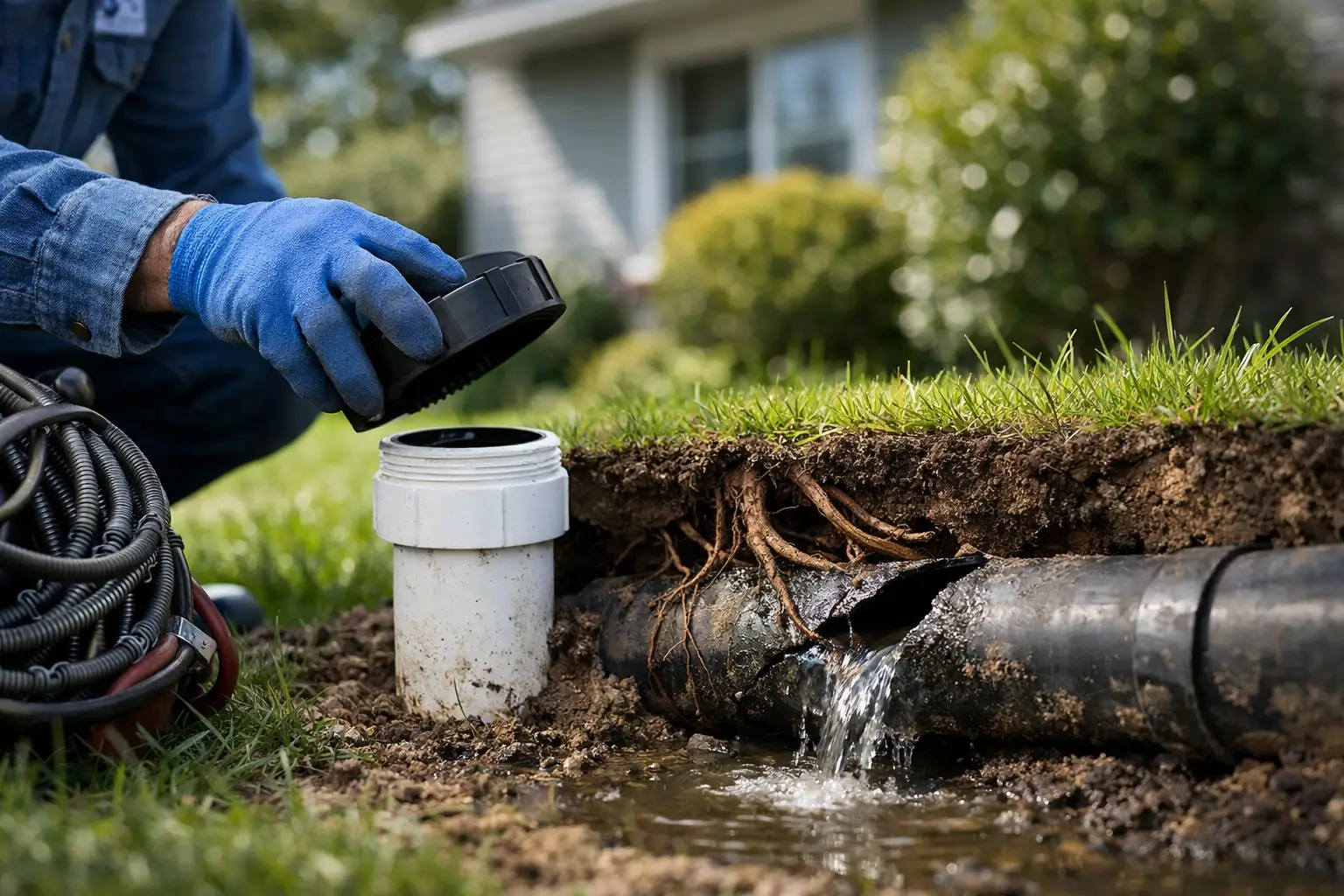
When pressure drops across multiple fixtures, a leak should move high on your suspect list. Even a moderate leak in a wall, under the slab, or along an exterior line can steal enough water to affect performance inside.
Watch for a higher water bill, damp spots, moldy odors, soft drywall, or the sound of running water when everything is turned off. You can also check your water meter. Shut off all faucets, appliances, and irrigation, then see whether the meter continues moving. If it does, water is going somewhere.
Leaks are where do-it-yourself troubleshooting should usually stop. A hidden leak can damage framing, flooring, cabinets, and foundations if it is missed or ignored. Honest diagnosis matters here, because not every low-pressure call needs major work, but a real leak needs prompt repair.
Inspect the main shutoff and water meter valve
If the issue started after recent construction, landscaping, or municipal work, check both the main shutoff inside the property and the meter-side valve if it is accessible and safe to view. Sometimes a valve is left partially closed after repairs or inspections.
Do not force anything. Older valves can break when handled roughly, and a bad turn can create a much bigger problem than the one you started with. If the valve looks corroded, stiff, or damaged, it is smarter to have a professional inspect it.
This is especially true in older homes and light commercial buildings, where aging hardware may not tolerate much movement.
When the pressure regulator is the problem
Many homes have a pressure-reducing valve installed near the main water line. Its job is to keep incoming city pressure at a safe, steady level. When it starts failing, symptoms can go either direction. Some properties get very high pressure. Others get water flow that feels weak everywhere.
A failing regulator often causes whole-house symptoms, not just one bad faucet. You may notice pressure that drops suddenly, changes during the day, or feels inconsistent from fixture to fixture. In some cases, toilets refill slowly and showers lose force when another faucet turns on.
A plumber can test your system pressure with a gauge and determine whether the regulator is set incorrectly or failing internally. Replacement is usually straightforward, but it should be done correctly to avoid damaging fixtures or creating new pressure problems.
Older pipes can choke off flow
In older properties, especially ones with galvanized steel piping, corrosion inside the pipe can narrow the water pathway over time. The outside of the pipe may look intact while the inside is heavily restricted.
This kind of low pressure tends to worsen gradually, not overnight. You may first notice one bathroom lagging behind, then the kitchen, then more widespread issues. Cleaning a faucet screen will not solve it because the restriction is built into the plumbing system itself.
At that point, the fix depends on the condition of the piping. Sometimes a localized repair is enough. In other cases, repiping sections of the home is the only reliable long-term answer. That is not the cheapest solution, but temporary workarounds on failing pipe rarely hold up for long.
Hot water pressure problems and water heaters
If only the hot side is weak, inspect the water heater valves first. Make sure they are fully open. Then consider sediment. Over time, mineral deposits can collect in the heater tank and nearby piping, reducing hot water flow.
Tankless systems can also develop flow restrictions from scale buildup, particularly if they have not been maintained on schedule. The result is often reduced performance at showers and sinks that rely heavily on hot water.
Because water heaters involve temperature, pressure, gas or electric connections, and safety controls, repairs are not a place to guess. If basic valve checks do not solve the issue, have the unit inspected before a minor pressure problem turns into a failure.
Could the city supply be causing it?
Sometimes the issue is outside your property line. Municipal water work, nearby hydrant use, neighborhood demand spikes, or utility-side leaks can temporarily reduce pressure. If your neighbors are seeing the same problem, the source may not be your plumbing at all.
This is one of those it-depends situations. Temporary city supply issues may clear up on their own. But if only your property is affected, waiting too long can allow a leak or failing valve to get worse.
For homeowners in Miami, Fort Lauderdale, and Hollywood, local infrastructure conditions, older service lines, and shifting demand can all play a role. That makes proper diagnosis more valuable than trial-and-error repairs.
When to call a plumber for low water pressure
If you’ve cleaned the affected fixture, confirmed your valves are open, and checked for obvious leaks, but pressure is still low, it is time to bring in a professional. The same goes for sudden whole-house pressure loss, visible water damage, or pressure problems tied to the water heater.
A good plumbing service should be able to tell you what is actually wrong without pushing work you do not need. That matters with low pressure because the causes range from a five-minute fixture cleaning to a serious underground repair. The right diagnosis saves time, money, and unnecessary disruption.
Blue Tide Plumbing handles low water pressure issues with that approach in mind – inspect first, explain clearly, and fix the actual problem. If the solution is simple, it should stay simple. If the issue is larger, you deserve upfront pricing and a clear plan before work begins.
Low water pressure has a way of creeping from inconvenience into property damage if the cause is ignored. If something feels off, trust that signal and get it checked before a weak stream turns into a bigger repair.