



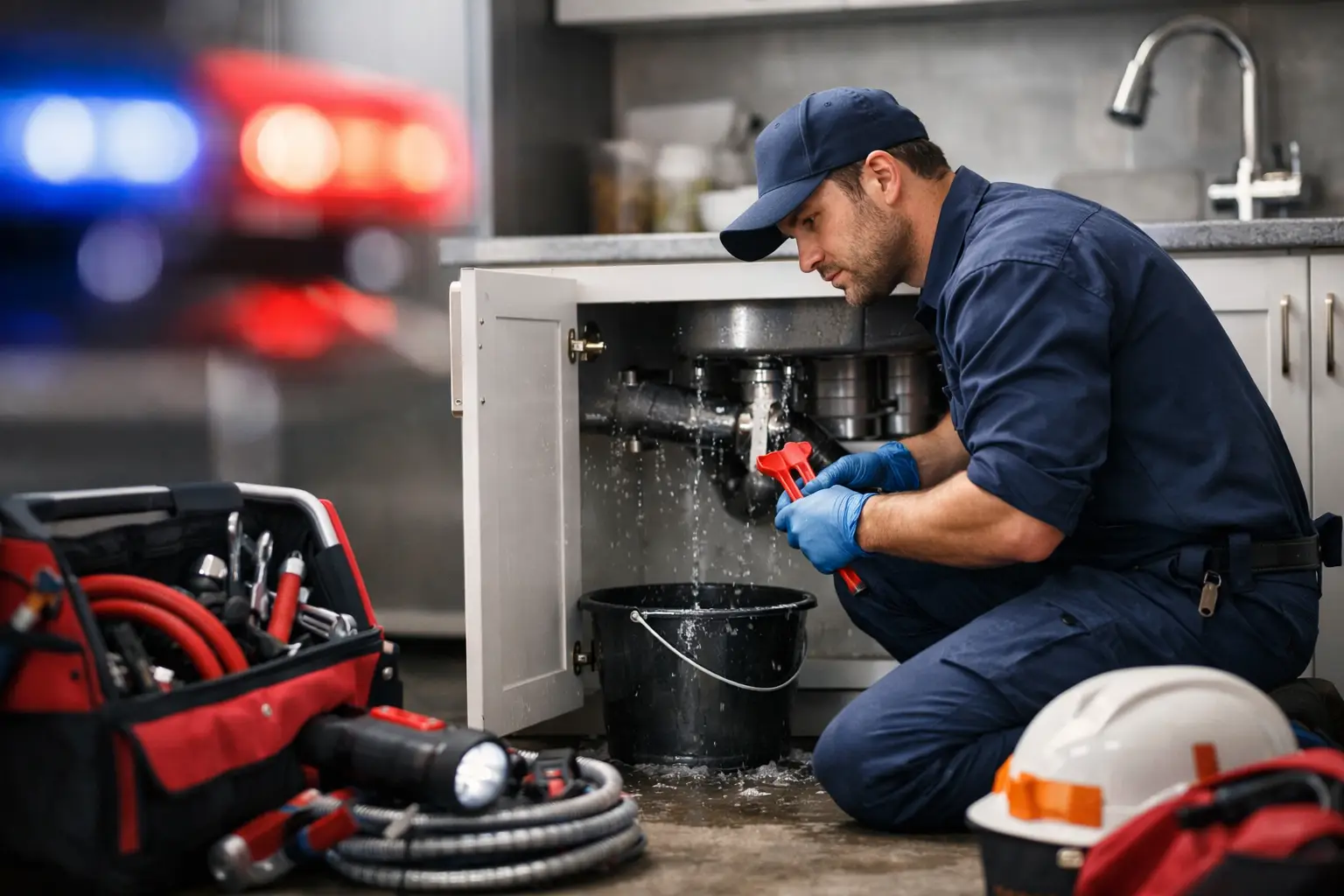
A backed-up drain at 11 p.m. is stressful. A burst pipe at 6 a.m. can turn into damaged floors, ruined drywall, and a day that gets expensive fast. This emergency plumbing service guide is built for one job – helping you stay calm, protect your property, and get the right plumber on site without wasting time or money.
When plumbing fails suddenly, most people make decisions under pressure. That is exactly when hidden fees, vague promises, and rushed repairs tend to show up. A good emergency response is not just about who answers the phone first. It is about who shows up prepared, explains the problem clearly, and fixes what needs fixing without turning a bad situation into a bigger one.
What counts as a plumbing emergency?
Some plumbing problems can wait until morning. Others should not. The difference usually comes down to active water damage, health risk, or loss of essential plumbing in the property.
A burst pipe is an emergency because every minute adds more damage. A sewer backup is an emergency because it creates a sanitation issue and can make bathrooms unusable. A major leak behind a wall, an overflowing toilet that will not stop, or a water line break are also urgent for the same reason – they keep getting worse while you wait.
On the other hand, a slow drain in one sink or a dripping faucet is usually not a middle-of-the-night call unless it is tied to a larger issue. The trade-off is simple. If waiting a few hours will not increase damage, it may be reasonable to schedule standard service. If water is spreading, pressure is dropping suddenly, sewage is involved, or you cannot safely use the plumbing system, treat it as an emergency.
Emergency plumbing service guide: what to do first
Your first goal is damage control. Before you think about estimates or repair options, stop the immediate threat if you can do it safely.
Shut off the water to the affected fixture if the problem is isolated. If a pipe has burst or you are not sure where the leak is coming from, turn off the main water supply. Many homeowners know where the panel box is but not the main shutoff. That is worth fixing before an emergency happens.
If there is any risk near electrical outlets, appliances, or standing water around powered equipment, cut power to the affected area only if it is safe to do so. If it is not safe, leave it alone and keep people away from the area.
Then start containing water. Towels, buckets, and mops are not a repair, but they can limit spread while help is on the way. Take a few photos too. That can help with documentation if damage extends beyond the plumbing repair itself.
When you call, be ready to describe what is happening in plain terms. Say whether water is actively flowing, whether you shut off the main, what fixture or line is affected, and whether sewage or odor is involved. A skilled dispatcher or technician can often prioritize the response and advise you on what to do before arrival based on those details.
How to tell if the plumber is actually equipped for emergencies
Not every company that says 24/7 emergency service operates the same way. Some answer after hours but do not dispatch quickly. Others show up fast but use emergency conditions to justify inflated pricing or unnecessary add-ons.
Ask direct questions. How soon can a technician realistically arrive? Is there an after-hours or weekend upcharge? Will they provide upfront pricing before work starts? Are they insured? Will the person entering your home be a trained technician or just whoever is available?
This is where discipline matters. In a real emergency, you want clear communication, honest diagnostics, and a technician who knows how to stabilize the problem first, then repair it correctly. Fast arrival is important, but so is having the right equipment on the truck. For example, a sewer issue may require camera inspection or hydro jetting, not guesswork. A hidden leak may need proper detection tools, not wall-opening based on a hunch.
What a good emergency visit should look like
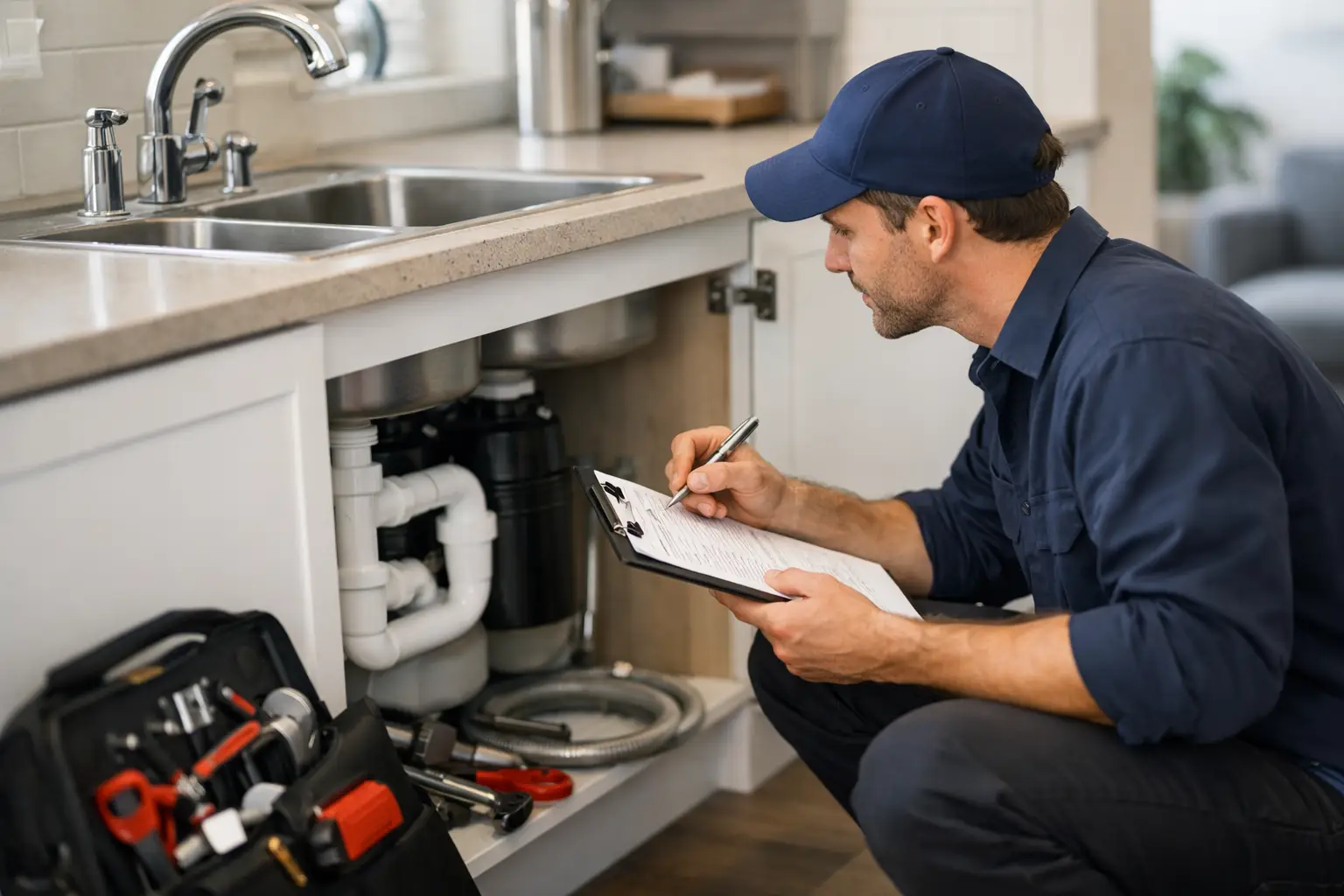
A professional emergency plumbing call should feel organized, not chaotic. The technician should assess the immediate risk, confirm the source of the issue, explain the options, and quote the work before starting repairs whenever conditions allow.
That does not mean every emergency has one simple fix. Sometimes the right first step is to stabilize the situation, restore basic service, and return for a larger repair in daylight or after parts arrive. That is not a red flag by itself. In fact, it can be the most honest approach if a permanent fix requires more time, more access, or a second set of diagnostics.
What matters is transparency. You should know what is temporary, what is permanent, and what the next step will cost. If the conversation jumps too quickly from one broken part to a full-system replacement, slow it down and ask why. Emergency conditions are not a license for pressure sales.
Common plumbing emergencies in South Florida homes and businesses
In South Florida, plumbing emergencies often come with a few local patterns. Older piping, heavy rain, shifting ground, root intrusion, and hard-use fixtures in rental or light commercial properties all raise the odds of urgent failures.
Drain clogs are common, but not all clogs are equal. A single slow bathroom sink is one thing. Multiple fixtures backing up at once can point to a deeper drain or sewer issue. That is where professional drain cleaning, camera inspection, or hydro jetting may be needed.
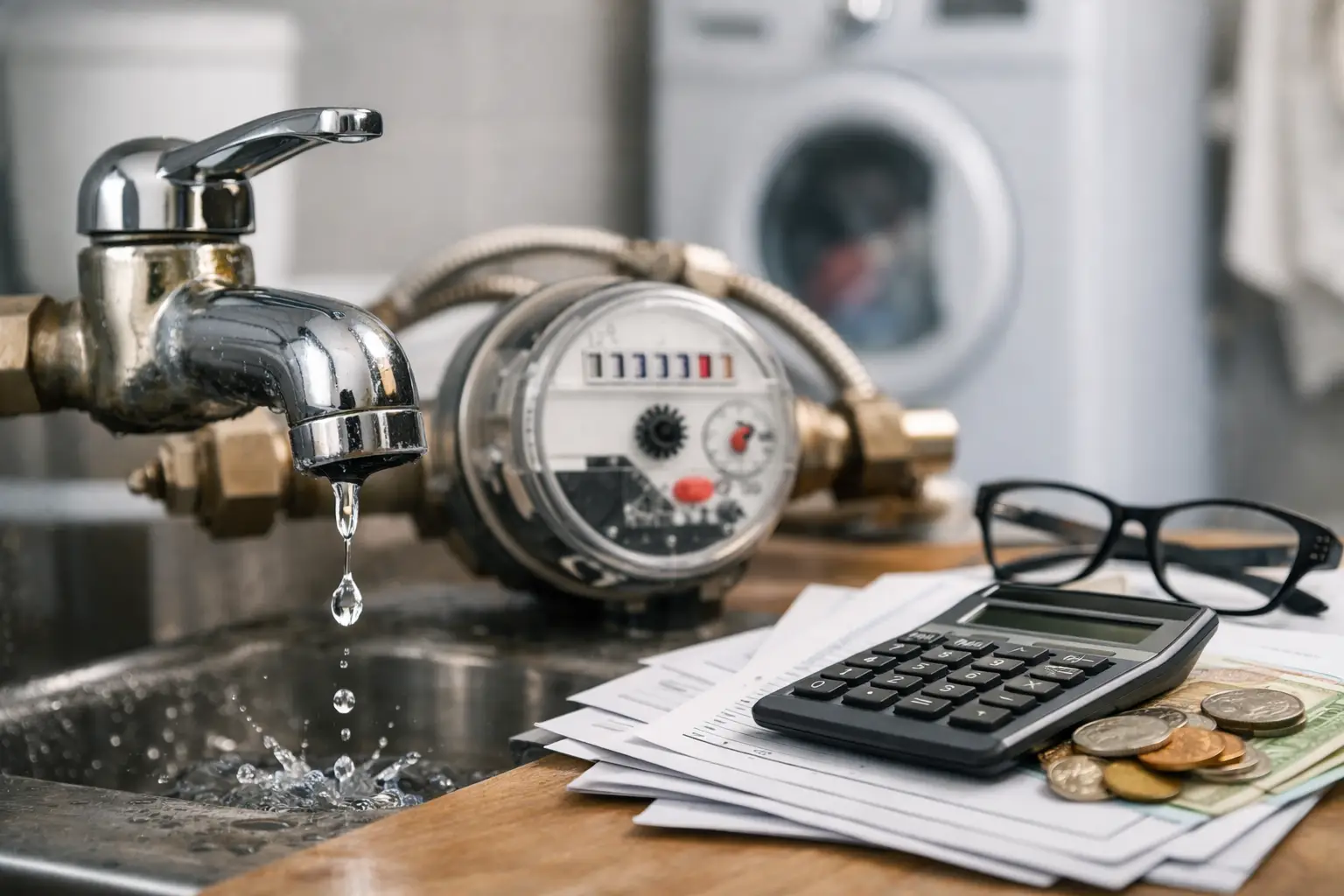
Pipe leaks also show up in different ways. Some are obvious, like a burst line under a sink. Others start as warm spots, water stains, musty odors, or unexplained increases in the water bill. By the time those signs are visible, the problem may already be bigger than it looks.
Toilet overflows, failed shutoff valves, water heater line leaks, and damaged garbage disposals also generate emergency calls because they interrupt daily use immediately. For businesses, even a smaller leak can become urgent if it affects restrooms, customer access, or health standards.
How to avoid getting overcharged when you need help now
Emergency service costs more at some companies, especially late at night or on weekends. That by itself is not always unreasonable. The problem starts when pricing is vague, changes mid-job, or comes with surprise charges that were never explained.
The best protection is straightforward communication before dispatch and before repair. Ask whether there is an emergency fee. Ask whether that fee changes by time of day. Ask whether the repair price will be quoted upfront after diagnosis. A trustworthy company should answer those questions plainly.
This is one reason many homeowners prefer a plumber that offers no after-hours upcharge and stands behind the work. In an emergency, you are already paying for the repair. You should not also have to worry that the clock itself is driving the bill.
Choosing the right plumber before an emergency happens
The smartest time to choose an emergency plumber is before you need one. Waiting until water is running across the floor usually leads to rushed decisions.
Look for a company with insured technicians, strong local responsiveness, and a repair-focused approach. You want someone who can handle leak detection, drain issues, burst pipes, sewer problems, fixture failures, and inspections without outsourcing half the job. A two-year work guarantee is also worth paying attention to because it tells you the company expects its repairs to hold.
If you are in Miami, Fort Lauderdale, or Hollywood, response time matters because traffic, weather, and distance can all affect how quickly help arrives. A local service built for same-day response has a practical advantage when minutes count.
Blue Tide Plumbing is one example of the kind of service model homeowners look for in these situations – fast response, upfront pricing, no after-hours or weekend upcharges, and technicians who show up ready to diagnose the problem honestly.
Emergency plumbing service guide for sellers and property managers
If you are preparing a home for sale or managing a rental, plumbing emergencies carry extra risk. What looks like a small active leak can delay a closing, trigger repair credits, damage finishes, or create tenant complaints fast.
That changes the decision-making a bit. You are not only trying to stop the leak. You are trying to protect timelines, documentation, and property value. In those cases, the best emergency plumber is usually the one who can respond quickly and also provide clear findings, practical repair options, and follow-up support if an inspection or recheck is needed.
A pre-sale plumbing issue does not always require the most expensive fix right away. But it does require accurate diagnosis. That is what keeps a repair from becoming a negotiation problem later.
A plumbing emergency puts pressure on every decision. The right move is not to panic or chase the first promise you hear. Shut down the risk, ask direct questions, and choose a plumber who treats urgency with discipline instead of sales pressure. When that happens, the problem may still be inconvenient, but it does not have to control the outcome.


Leave a Reply