



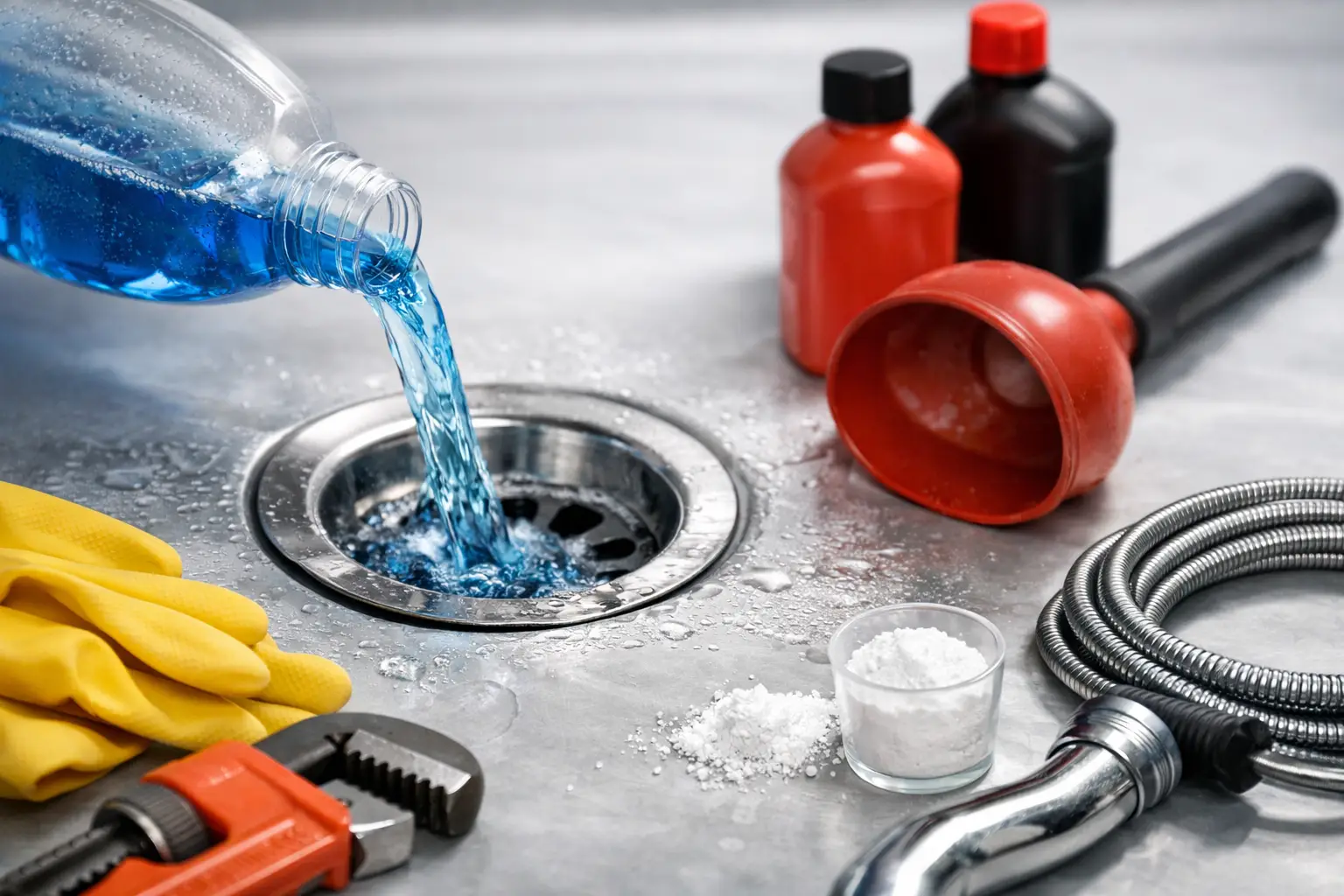
A slow drain usually starts as an annoyance. Then the sink holds water, the shower turns into a puddle, or the toilet backs up right before guests arrive. When people start searching for a drain cleaner and clog remover, they usually want one thing – a fix that works now without making the problem worse.
That last part matters. Some clogs are simple and close to the drain opening. Others are deeper in the line, packed with grease, hair, soap buildup, or debris that keeps catching more waste as it passes through. The wrong product or the wrong approach can turn a manageable drain issue into pipe damage, recurring backups, or a bigger repair bill.
What a drain cleaner and clog remover can actually do
A good drain cleaner and clog remover is not one single thing. It can mean a liquid chemical product, an enzyme-based treatment, a handheld tool, a plunger, or a professional drain cleaning method. Each one works differently, and each one has limits.
For a bathroom sink with hair and soap near the top of the drain, a simple manual removal tool may do more than a bottle from the hardware store. For a kitchen drain slowed by grease, hot water and dish soap might help a minor buildup, but they will not solve a heavy blockage sitting farther down the line. If the issue is in the main sewer line, no off-the-shelf product is going to clear it reliably.
That is where a lot of homeowners get frustrated. The label says powerful. The drain looks the same an hour later. Or worse, the water is still standing there with chemicals sitting in it.
The main types of drain cleaner and clog remover options
Chemical drain cleaners are the most common first try because they are easy to buy and easy to pour. Some use caustic ingredients to break down organic matter. Others use oxidizing agents or acidic formulas. They can help with light clogs, but they come with trade-offs. They may generate heat, weaken older pipes, damage certain plumbing materials, and create a safety hazard for anyone who has to open the line later.
Enzyme and bacterial cleaners are gentler. They are better for maintenance than emergencies. These products can help reduce organic buildup over time, especially in drains that are starting to smell or run slowly. But if your sink is fully backed up or your tub is not draining at all, they are usually too slow to solve the immediate problem.
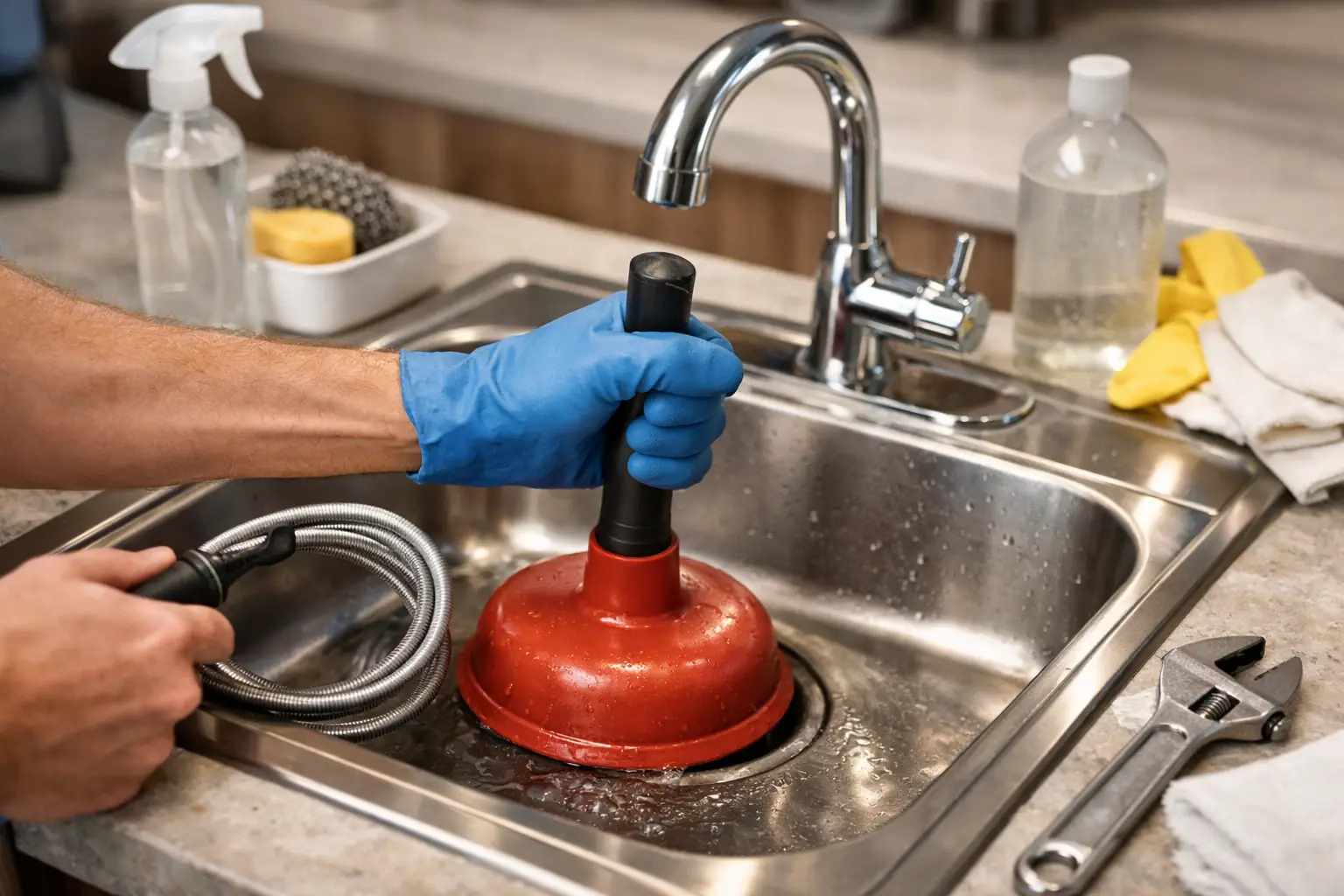
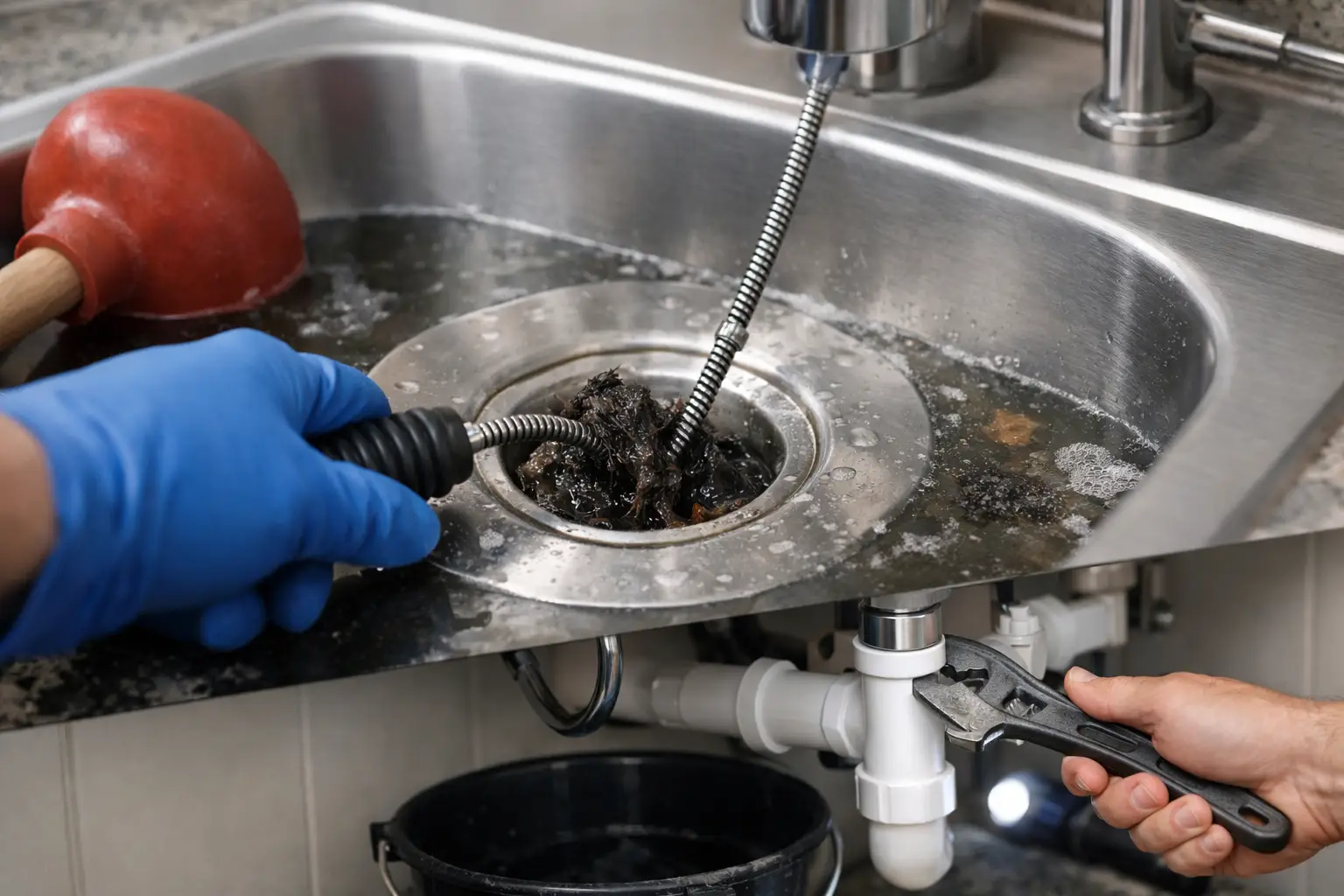
Mechanical tools are often more effective than people expect. A basic sink plunger, a drain snake, or a hair removal tool can physically break up or pull out a clog. That makes them a better fit for many everyday stoppages. The catch is technique. Push too hard with the wrong tool and you can damage the drain assembly or compact the clog farther down.
Professional methods go beyond what a bottle can do. A plumber may use a drain machine to cut through buildup, a camera inspection to find the exact cause, or hydro jetting to clear grease, sludge, and debris from the pipe walls. That is usually the smarter route when clogs keep returning or when multiple drains are acting up at once.
When store-bought products make sense
There is a place for basic DIY drain care. If the drain is only moving slowly, the clog appears minor, and the plumbing is in decent condition, a safe first step may help. Removing the stopper and clearing visible hair, using a plunger correctly, or trying a small hand snake can solve a lot of common sink and tub issues.
For maintenance, enzyme-based products can also make sense in some homes. They are not miracle workers, but they can be useful for keeping mild organic buildup from getting worse.
The key is staying realistic. If you are on your second or third attempt and nothing has changed, the problem is probably not something a stronger bottle is going to fix. At that point, more chemical product often means more risk and more delay.
When to stop using drain cleaner and call a plumber
Some warning signs should move the problem out of DIY territory quickly. If water backs up in more than one fixture, you may be dealing with a branch line or main line clog. If flushing a toilet causes water to rise in a shower, that is not a simple sink stoppage. If there is sewage smell, gurgling, frequent backups, or water coming up where it should not, the issue needs proper diagnosis.
Standing water mixed with chemical drain cleaner is another red flag. That creates a hazardous work area and limits what can be done safely until the line is handled carefully.
Older homes also deserve caution. In parts of South Florida, aging drain lines, root intrusion, scale buildup, and shifting underground conditions can turn a recurring clog into a larger drainage problem. A quick fix may buy a little time, but it will not tell you whether the pipe is cracked, bellied, or heavily restricted.
Why some clogs keep coming back
A recurring clog usually means one of two things. Either the drain was never fully cleared, or there is an underlying issue that keeps collecting debris.
Kitchen lines are a common example. Grease does not just disappear because hot water passed through once. It cools, sticks to pipe walls, and traps food particles over time. Bathroom drains do the same with hair, soap residue, and grooming products. In commercial settings, the buildup can happen even faster.
Then there are structural issues. A pipe with corrosion, scale, poor slope, or intrusion from roots can catch waste repeatedly. In those cases, what looks like a basic clog is really a symptom. Clearing it without inspecting the line is like treating the same headache every week and never checking the cause.
The safer way to handle a slow or blocked drain
Start simple. Remove what you can see. Use a plunger made for the right fixture. Try a hand tool before reaching for harsh chemicals. If the drain improves, keep an eye on it. If it stays slow, smells bad, or backs up again soon, do not keep escalating with stronger products.
That is usually the point where professional drain cleaning saves time and money. Honest diagnostics matter here. A good plumber should tell you whether the problem is a soft clog, grease buildup, a damaged line, or something affecting the larger system. You should know what is being recommended and why, before any work starts.
For homeowners and business owners, that clarity matters as much as the repair itself. Nobody wants to pay for work they do not need. Nobody wants a vague answer when water is backing up into the home.
What professional drain service offers that products cannot
A real drain service is not just stronger drain cleaner. It is a way to identify the actual blockage, clear it with the right equipment, and check whether the line has a deeper problem. That might mean snaking a kitchen line, using a camera to locate a break or root intrusion, or hydro jetting a pipe that is lined with buildup.
The difference is precision. Instead of guessing, the technician can see what is happening and respond accordingly. That reduces repeat calls, unnecessary damage, and the cycle of temporary fixes.
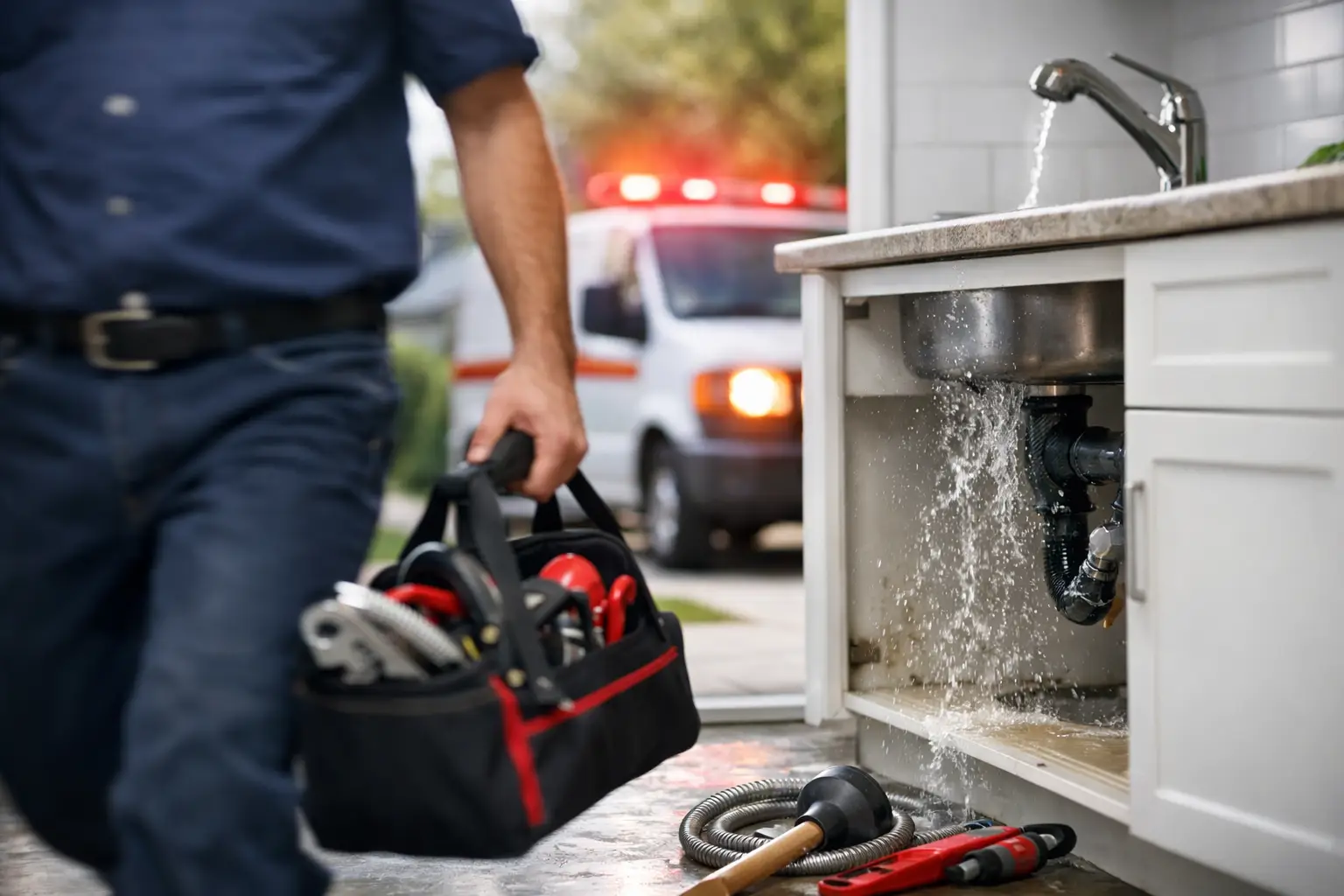
For urgent clogs, response time matters too. When a sink at home will not drain or a business restroom is backing up, waiting days is not practical. That is why service companies built around fast response and upfront pricing tend to earn trust. If you need help in Miami, Fort Lauderdale, or Hollywood, the right plumber should be able to tell you what to expect clearly and show up ready to work.
Blue Tide Plumbing approaches drain problems that way – fast response, honest diagnosis, and no games with hidden after-hours charges when the problem cannot wait.
The best drain cleaner and clog remover is the right fix
If there is one takeaway here, it is simple: the best drain cleaner and clog remover depends on the type of clog, the condition of the pipe, and how long the problem has been building. Sometimes a small tool and ten minutes will solve it. Sometimes the smartest move is skipping the bottle altogether and getting the line inspected before the damage spreads.
Your plumbing does not need a dramatic solution. It needs the right one, done safely, before a slow drain becomes a backup you cannot ignore.

Leave a Reply