




A buyer can overlook old paint or worn flooring. A hidden plumbing problem is different. One active leak, one slow drain, or one sewer line concern can turn a clean offer into a price cut, a repair demand, or a delayed closing. That is why a pre sale plumbing inspection checklist matters before your home goes on the market.
If you are selling, the goal is not to make the plumbing look perfect. The goal is to find the issues that can affect value, insurance, inspections, and buyer confidence while you still control the timeline. In South Florida, where older supply lines, slab leaks, sewer concerns, and hard water wear are common, that step can save you money and stress.
What a pre sale plumbing inspection checklist should actually do
A good checklist is not just a walk-through with a flashlight. It should help you answer three practical questions. First, is anything actively leaking, clogged, failing, or unsafe? Second, is there anything that will likely come up during a buyer inspection? Third, should you repair it now or be ready to disclose it clearly?
That last part matters. Not every issue needs a full replacement before listing. Sometimes a minor faucet drip is worth fixing right away because it sends the wrong message. In other cases, an older water heater that still works may not need replacement, but you should expect questions about age, condition, and remaining life.
Start with visible fixtures and everyday function
Begin where buyers and inspectors usually begin – the places they can see and use immediately.
Faucets, sinks, and shutoff valves
Turn on every faucet in kitchens, bathrooms, laundry areas, and utility sinks. Check for weak pressure, sputtering, slow hot water, and handles that stick or leak around the base. Then look underneath each sink for moisture, staining, swollen cabinet bottoms, corrosion, and active drips at supply lines or drain connections.
Check the shutoff valves too. If a valve is seized or leaking, it is a small issue that can create a larger impression. Buyers notice when basic plumbing components look neglected.
Toilets
Flush every toilet several times. You are looking for weak flushes, constant running, rocking at the base, slow refill, or water around the floor. A loose toilet can suggest a failed wax ring, subfloor damage, or both. Even if the repair is simple, leaving it unresolved can raise bigger concerns during negotiations.
Showers and tubs
Run hot and cold water in all showers and tubs. Watch how quickly they drain. Slow drainage can point to a routine hair clog, but if multiple fixtures drain poorly, that can suggest a branch line or main drain problem. Inspect caulking, trim plates, and the wall or ceiling behind the plumbing if accessible. Water stains outside the shower often tell the real story.
Check drains before the buyer does
Drain issues are one of the fastest ways to lose confidence during a home showing or inspection. A house can look clean and still have a drain line problem building underneath.
Interior drainage performance
Run water at more than one fixture at the same time. Listen for gurgling, bubbling, or backups. If a sink backs up when another fixture runs, that is not a cosmetic issue. It points to a drainage or venting concern that should be assessed before listing.
Main sewer line warning signs
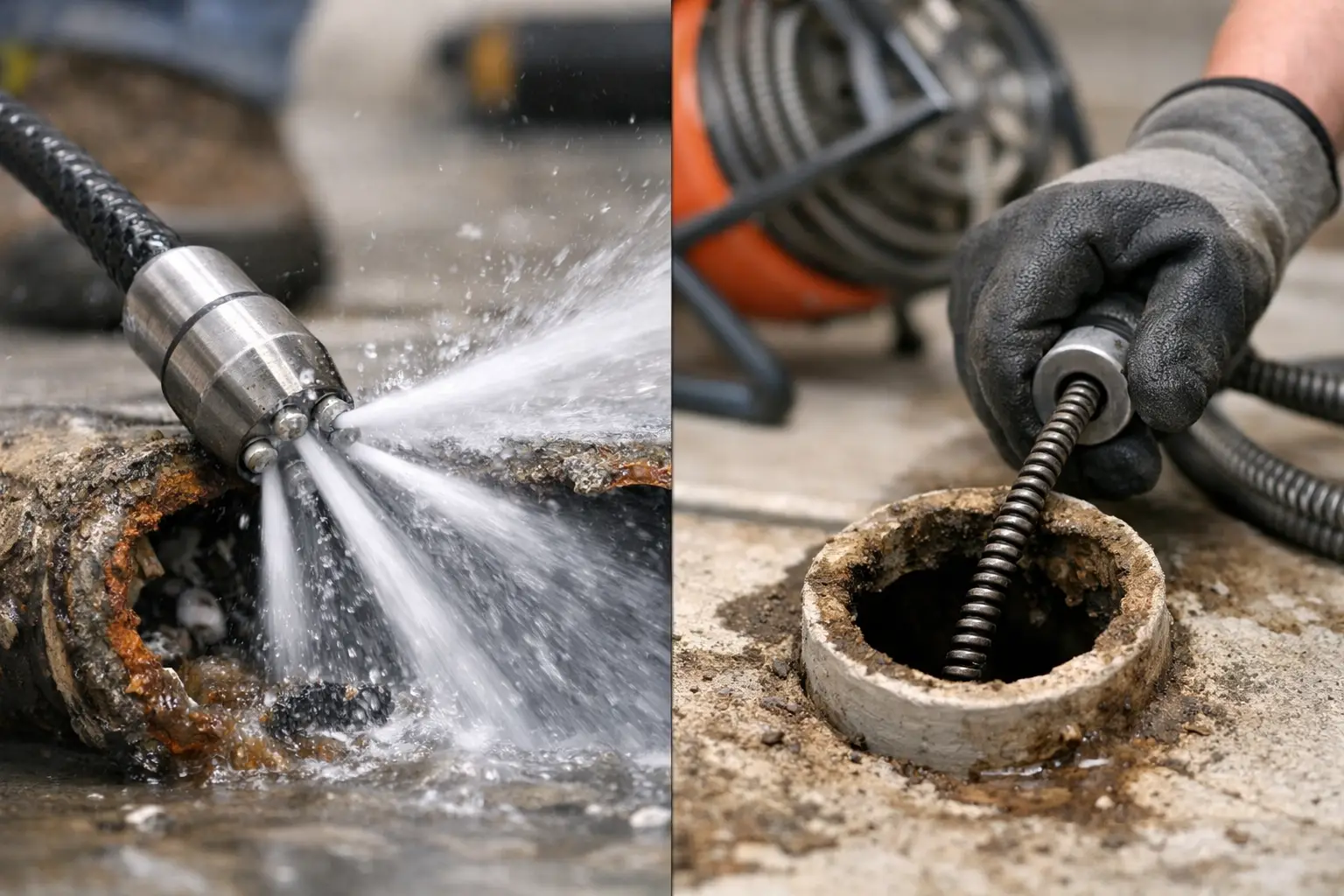
Pay attention to recurring clogs, drain flies, sewer odors, backups at the lowest drain, or soggy areas outside. Those are common red flags for a compromised sewer line. In older homes, especially those with cast iron drain systems, a camera inspection can provide useful answers before a buyer asks for one.
This is one of those it depends situations. If the home has no drain history and all fixtures are performing well, a camera scope may not be necessary. If there have been repeated stoppages, it is smart to know what you are dealing with early.
Inspect water heater condition and code basics
A water heater draws attention because buyers know replacement is expensive. Inspectors look at age, visible condition, function, and installation details.
Check for rust, moisture, corrosion on fittings, scorch marks, unusual noise, and pooling at the base. Confirm that the unit produces hot water consistently. Then review visible installation points like shutoff access, venting where applicable, and drain pan condition if one is present.
You do not need a showroom-new unit to sell a house. But if the heater is near the end of its service life, leaking, or installed improperly, expect it to become part of the negotiation.
Look for hidden leaks and water damage
Some of the most expensive plumbing problems are the ones sellers do not notice until a buyer inspection turns up moisture damage.
Under cabinets, behind walls, and around floors
Open every vanity and sink cabinet. Check around dishwasher connections, refrigerator water lines, washing machine hoses, and water heater connections. Look for staining, soft drywall, peeling paint, warped baseboards, and flooring that has lifted or buckled.
Exterior and slab-related clues
Outside, inspect hose bibs, exposed piping, irrigation tie-ins, and any area where unexplained wet spots appear. Inside, warm floor areas, unexplained increases in water bills, and the sound of running water when fixtures are off can point to a concealed leak. In South Florida homes, slab leak concerns are not something to brush aside before listing.
Review water supply lines and pipe material
Not all pipe materials raise the same concerns with buyers, insurers, or inspectors. Take note of what your home has. Copper, PEX, CPVC, galvanized steel, and older polybutylene each come with different expectations.
If the home has older or known problem materials, do not guess. Find out the condition and extent of the system. For some sellers, a targeted repair is enough. For others, especially if leaks have already occurred, a larger repipe conversation may be unavoidable. The key is not being surprised at the worst time.
Don’t ignore outdoor plumbing
Outdoor plumbing is easy to forget because it sits outside daily life. Buyers and inspectors still check it.
Test hose bibs for leaks and proper shutoff. Look at exposed drains, cleanouts, and exterior line penetrations. If the property has an outdoor kitchen, bar sink, pool shower, or detached utility area, run those fixtures too. A hidden issue outside can still affect the sale inside.
A simple pre sale plumbing inspection checklist for sellers
Before listing, make sure you have checked these areas carefully:
- All faucets, sinks, tubs, and showers for leaks, drainage, and water pressure
- Toilets for secure mounting, proper flush, refill function, and leaks at the base
- Under-sink plumbing, shutoff valves, and supply lines for corrosion or active drips
- Water heater age, condition, visible leaks, and consistent hot water delivery
- Main drain warning signs such as odors, recurring clogs, gurgling, or backups
- Washing machine, dishwasher, and refrigerator water connections
- Outdoor spigots, exposed piping, and exterior drainage clues
- Visible water damage on walls, ceilings, cabinets, floors, or baseboards
Repair now or wait for negotiation?
Most sellers ask the same question: should you fix plumbing issues before listing or leave them for the buyer to find? Usually, obvious and affordable repairs are worth handling upfront. Small leaks, clogged drains, running toilets, and failed shutoff valves can make the entire home feel poorly maintained.
Larger issues take more judgment. If a sewer repair, repipe, or water heater replacement is needed, the right move depends on your timeline, budget, and market conditions. In a strong market, some sellers disclose the issue and price accordingly. In a more competitive situation, making the repair ahead of time can protect the sale and reduce last-minute concessions.
If you bring in a plumber, this is where honest diagnostics matter. You want a clear picture of what is urgent, what is optional, and what is likely to come up in a buyer inspection. Blue Tide Plumbing approaches pre-sale work that same way – practical, direct, and without padding the job with repairs you do not need.
Why this step pays off
A pre-sale plumbing inspection is about control. It gives you time to fix what matters, document condition, and avoid rushed decisions after a buyer is already involved. That can mean fewer surprises, fewer credits at closing, and a smoother path from listing to sale.
If you are getting ready to put a home on the market, treat the plumbing like a deal point, not an afterthought. A little discipline before the sign goes in the yard can keep a small problem from becoming the reason your closing date moves.



Leave a Reply