



A sewer problem usually stays out of sight right up until it becomes expensive. That is why a solid miami sewer inspection guide matters for homeowners, sellers, buyers, and small property managers who want answers before a backup, sinkhole, or failed closing puts them on the clock.
In South Florida, sewer lines deal with a tough mix of age, shifting ground, heavy rain, high water tables, invasive roots, grease buildup, and years of patchwork repairs. A line can look fine from the inside of the house while hiding cracks, bellies, offsets, or blockages underground. A proper inspection gives you a direct look at the condition of the pipe so you can make decisions based on facts, not guesswork.
What a Miami sewer inspection guide should actually help you do
Most people do not need a technical lecture. They need to know when an inspection is worth it, what the plumber is looking for, and what happens if the camera finds trouble. That is the practical purpose of a sewer inspection.
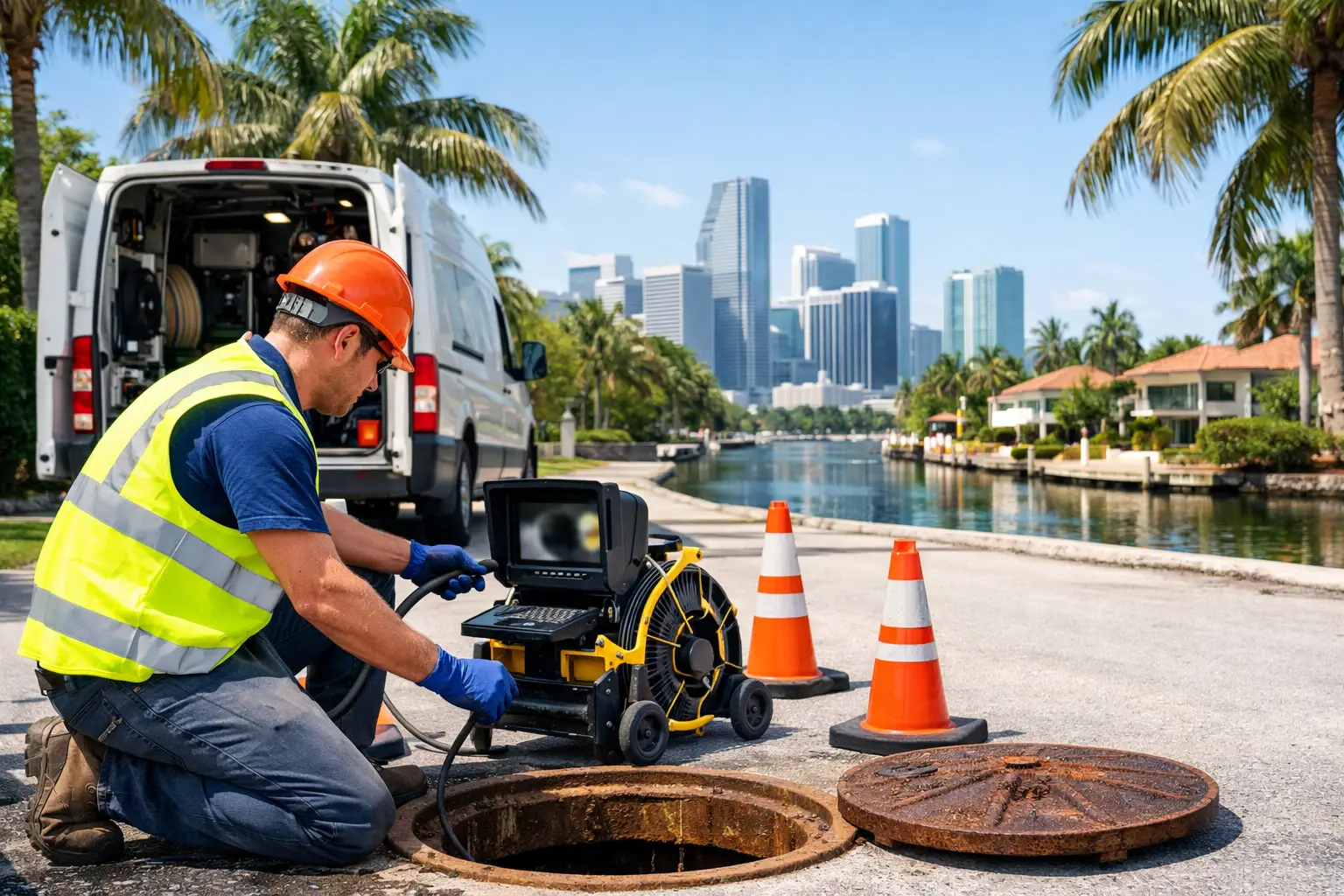
A camera inspection involves feeding a specialized waterproof camera through the sewer line to see the pipe walls and track the route of the line. In many cases, the technician can also identify where the problem sits and how serious it is. That matters because not every issue calls for excavation, and not every slow drain means the entire sewer line is failing.
The right inspection should answer a few simple questions. Is the line open and flowing? Is there damage? If there is damage, is it minor wear, a repair issue, or a replacement issue? Those are the answers that help a property owner plan the next step without getting pushed into work they may not need.
When a sewer inspection makes sense
Some sewer inspections happen during emergencies, but many should happen before the emergency starts. If drains in the home are slow in more than one fixture, if toilets gurgle, if sewage odors come and go, or if water backs up in a tub when another fixture is used, the sewer line deserves attention.
A sewer inspection is also smart during a real estate transaction. A standard home inspection may identify signs of drainage trouble, but it usually does not involve sending a camera through the sewer lateral. For an older home, that missing step can leave a buyer exposed to a major repair right after closing.
It also makes sense after repeated drain cleaning calls. If the same line keeps clogging, there is often an underlying cause that basic snaking does not solve. Grease, scale, root intrusion, broken sections, and poor slope can all create recurring stoppages.
For commercial spaces and rental properties, a scheduled inspection can be the difference between a manageable repair and a business interruption. It depends on the age of the line, the history of backups, and how much use the plumbing system gets, but waiting for sewage to surface is never the low-cost option.
What technicians are looking for during a sewer camera inspection
A good miami sewer inspection guide should explain that the camera is not just there to confirm a clog. It is there to assess condition.
One common finding is root intrusion. Roots look for moisture and can enter through tiny cracks or loose joints. Once inside, they catch paper and debris and start turning a partial obstruction into a full blockage. Another frequent issue is grease and sludge buildup, especially in kitchens or mixed-use properties where heavy food waste ends up in the line.
Technicians also look for cracked pipe walls, separated joints, offsets where one section no longer lines up with the next, and sagging sections called bellies where waste and water collect instead of flowing cleanly. In older lines, corrosion or heavy scale can narrow the inside diameter enough to keep causing backups even when the line is technically still open.
The inspection may also reveal a line that is in better shape than expected. That is just as valuable. It means the problem may be isolated to a smaller section, a branch drain, or a venting issue rather than the main sewer line.
What can affect sewer lines in Miami
Local conditions matter. In Miami, older properties may have aging cast iron or clay components that have seen decades of wear. Ground movement, flooding, and saturated soil can all stress underground piping over time. Tree roots are a factor in many neighborhoods, and heavy storm seasons can expose weak points fast.
That does not mean every older home needs a full sewer replacement. It means age alone should not be ignored. A line can stay serviceable for years, or it can have one compromised section that keeps triggering stoppages. The only honest way to know is to inspect it.
This is where property owners need realism, not sales pressure. A camera inspection can show problems clearly, but the best repair approach still depends on the pipe material, the location of the defect, access, and whether the issue is isolated or system-wide.
What happens after the inspection
Once the line is inspected, the next step should be straightforward. If the problem is buildup, the recommendation may be cleaning, often with hydro jetting if the pipe condition supports it. If roots are present, the line may need clearing first and then a repair to stop them from returning. If a section is cracked or collapsed, spot repair or replacement may be the right move.
Sometimes the result is monitoring rather than immediate work. For example, if a line shows early wear but is still draining well, a property owner may choose scheduled maintenance and plan for a future repair instead of forcing a rushed project now. That is a reasonable decision when the risk is understood clearly.
What should raise concern is when someone treats every inspection finding like a full emergency. Not every defect is catastrophic. On the other hand, not every slow drain is harmless either. Honest diagnostics matter because sewer work is disruptive and expensive enough without guesswork piled on top.
How to prepare for a sewer inspection
Preparation is usually simple. The technician may need access to a cleanout, a toilet pull, or another entry point into the line. It helps if the area around the access point is clear and if you can describe the symptoms as specifically as possible. Which drains are slow? Has there been any backup? Does the issue happen after rain or all the time? Has the line been cleaned before?
If the inspection is part of a home purchase, ask for any plumbing history available from the seller. Prior backups, repairs, or repeated calls for drain cleaning add useful context. The camera shows current conditions, but the property history can explain why those conditions developed.
For occupied homes or businesses, timing matters too. A line that is actively backing up may need clearing before it can be fully inspected. In that case, the first goal is restoring flow, then verifying what caused the blockage so the problem does not just return next month.
Choosing the right plumber for a sewer inspection
A sewer inspection is only as useful as the person interpreting it. You want a licensed, insured plumbing company that handles inspections and repair work regularly, explains findings in plain language, and gives upfront pricing before recommending the next step.
That matters because sewer issues create pressure fast. When wastewater is involved, many property owners feel forced to say yes before they fully understand the problem. A dependable company does the opposite. It shows you what is there, explains what is urgent and what can wait, and gives you a clear path forward without hidden fees or inflated after-hours pricing.
For South Florida property owners, response time matters too. If the inspection is tied to an active backup, waiting days for someone to show up is not much of a plan. This is where a service-driven local company stands out. Blue Tide Plumbing, for example, is built around quick response, honest diagnostics, and repair-focused service that respects the customer’s time and property.
The real value of inspecting before you are forced to repair
A sewer inspection does not just find damage. It gives you control. That is the difference between choosing a repair on your terms and reacting to sewage in the shower, a failed sale, or a business interruption nobody budgeted for.
If you own an older property, if your drains have been warning you, or if you are about to buy or sell, do not rely on assumptions. Get eyes on the line, get a clear explanation, and make the next decision with real information. That is the point of any good miami sewer inspection guide, and it is the kind of step that can save a lot more than money.

Leave a Reply