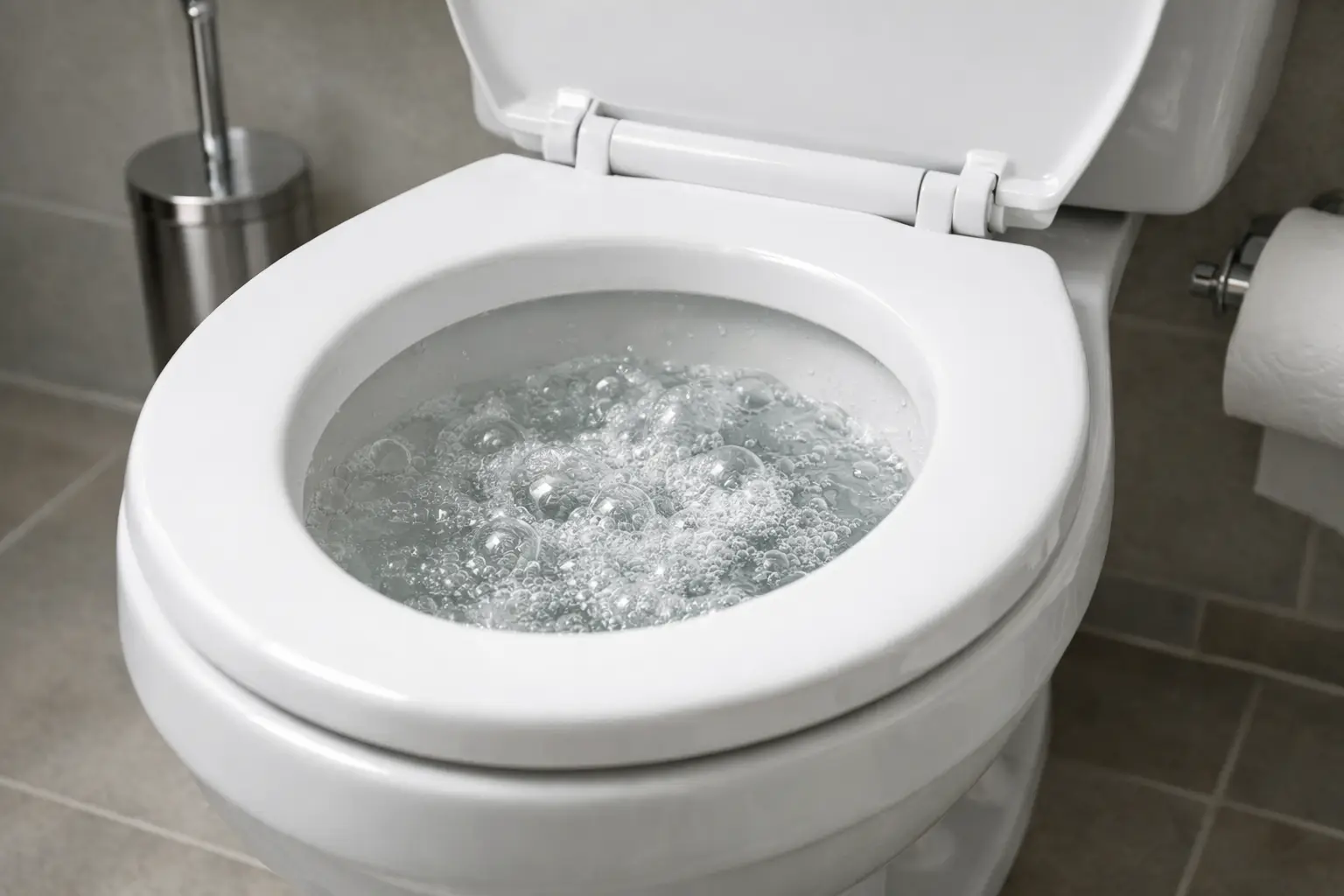
A bubbling toilet usually shows up at the worst possible time – after a shower, when the washing machine drains, or right before guests arrive. If you are asking, why is my toilet bubbling, the short answer is this: air is getting trapped in your plumbing system and forcing its way back through the toilet bowl. That is not a symptom to ignore.
In most homes, a bubbling toilet points to a drain blockage, a venting problem, or pressure trouble somewhere in the sewer line. Sometimes the issue is minor and isolated to one bathroom. Sometimes it is the early warning sign of a larger backup that can affect the whole property. The key is knowing what the bubbling is telling you before a slow drain turns into water on the floor.
Why is my toilet bubbling in the first place?
Your toilet is connected to a larger drain and vent system. Wastewater flows out through the drain, while air moves through vent pipes to keep pressure balanced. When either path gets blocked, air has to go somewhere. Often, it escapes through the toilet bowl, which is why you see bubbles or hear gurgling.
That bubbling is not the toilet “making noise.” It is your plumbing system struggling to breathe. The location of the blockage or pressure problem determines how serious it is and how quickly it needs attention.
The most common causes of a bubbling toilet
A drain line clog near the toilet
A clog in the toilet drain or branch line is one of the most common causes. If too much toilet paper, wipes, or other debris narrows the line, water and air cannot move the way they should. The trapped air pushes back into the bowl and creates that bubbling effect.
This kind of clog may start small. You might notice a toilet that flushes a little slower than usual before the bubbling becomes obvious. If caught early, it may be limited to that fixture. If ignored, it can build into a full blockage.
A main sewer line blockage
If the toilet bubbles when another fixture is running, such as a shower, sink, or washing machine, the problem may be farther down the line. A blockage in the main sewer line can create pressure changes throughout the house, and the toilet often becomes the place where that pressure shows itself.
This is the issue homeowners need to take seriously. A main line problem can lead to sewage backing up into tubs, showers, or lower-level drains. In South Florida, where heavy rain and shifting conditions can add stress to older systems, a sewer issue can get worse fast.
A blocked plumbing vent
Your plumbing vent usually runs through the roof and allows sewer gases and air pressure to escape safely. If that vent gets blocked by debris, nesting material, or buildup, your drains may start acting strangely. Toilets can bubble, sinks can gurgle, and drains can slow down even when there is no heavy clog in the pipe itself.
Vent problems are easy to overlook because the symptoms can mimic a drain clog. The difference is that the root issue is air movement, not just waste blockage. That matters because plunging the toilet may not solve anything if the vent is the real problem.
Sewer line damage
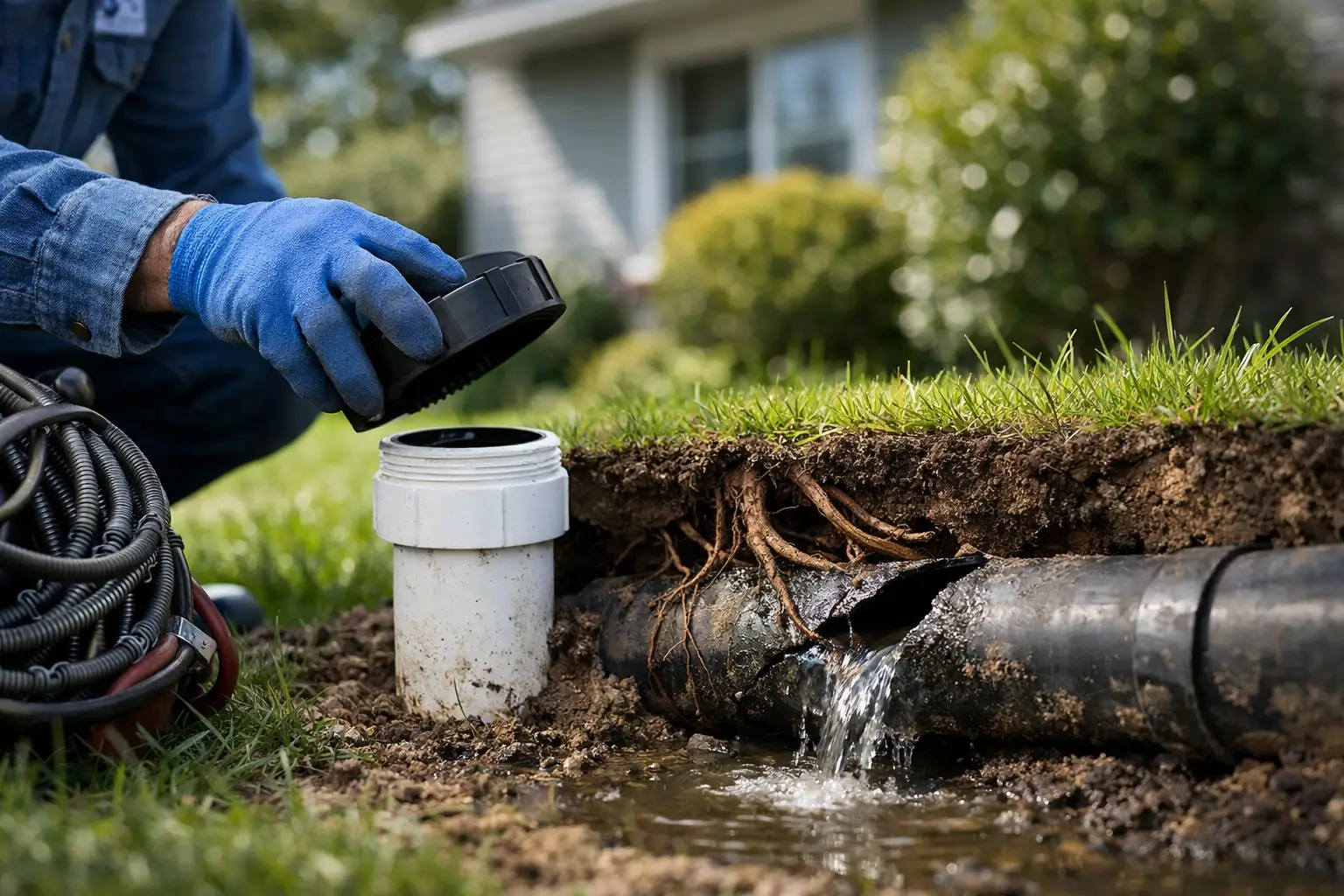
Older pipes, root intrusion, corrosion, or broken sections in the sewer line can all interfere with flow and venting. When a pipe is cracked or collapsed, wastewater and air no longer move normally. Bubbling may be one of the first warnings before more obvious signs appear.
This is where a proper inspection matters. Guesswork wastes time, and repeated clogs often have a deeper cause than homeowners can see from inside the bathroom.
Signs the problem is bigger than the toilet
A single bubbling toilet does not always mean a major emergency, but some warning signs should move this higher on your list. If more than one drain is acting up, if water backs up into the tub when you flush, or if you smell sewer gas, there is a good chance the issue extends beyond the toilet itself.
Another red flag is bubbling that happens when you use water somewhere else in the building. For example, if the toilet gurgles when the washing machine drains, that points to a shared drain or sewer line issue, not just a problem inside the bowl.
If your home has had recurring drain cleaning visits without a lasting fix, that is also worth paying attention to. Repeat symptoms usually mean the original cause was never fully diagnosed.
What you can do right away
Start by limiting water use if the bubbling is frequent or severe. Running more water through a system with a developing blockage can push it closer to a backup. That means hold off on extra laundry, long showers, or repeated flushing until you know what is happening.
If the toilet appears to be the only affected fixture, a careful attempt with a flange plunger may help with a simple local clog. Use steady pressure, not violent plunging. If the water level is already high or unstable, do not keep flushing to test it.
You can also pay attention to patterns. Does the bubbling happen only when the toilet flushes, or when other drains run? Are nearby sinks or tubs draining slowly? Those details help identify whether the problem is local or tied to the main line.
What not to do
Do not pour harsh chemical drain cleaners into the toilet. They rarely solve the real cause of bubbling and can damage plumbing components or create a safety issue for the technician who has to work on the line later.
Do not assume the problem is gone just because the toilet flushes once normally. Drain and vent issues can be intermittent at first. A temporary improvement does not mean the underlying blockage has cleared.
And do not keep using every fixture in the home if multiple drains are involved. That is how a manageable problem becomes a messy one.
When to call a plumber for a bubbling toilet
If the bubbling keeps returning, if other drains are affected, or if you notice sewage odors or backups, it is time to call a plumber. At that point, the issue needs more than a plunger. It needs a clear diagnosis.
A professional can determine whether the problem is a simple drain obstruction, a vent issue, or a sewer line failure. That may involve drain cleaning, a camera inspection, or checking the venting system. The right fix depends on the cause. A quick guess can cost more than a proper diagnosis.
For homeowners and business owners in Miami, Fort Lauderdale, or Hollywood, response time matters with this kind of problem. A toilet that is bubbling in the morning can become a backup by the afternoon if the main line is restricted. Fast service is not just convenient here. It can prevent damage and sanitation problems.
How plumbers usually fix the issue
For a local clog, the solution may be as straightforward as professional snaking or augering. For a deeper blockage, drain cleaning equipment or hydro jetting may be needed to restore proper flow. If the vent is blocked, clearing that path can stop the pressure imbalance causing the bubbling.
If the line is damaged, the repair becomes more involved. That might mean replacing a section of pipe or addressing root intrusion. The important part is matching the repair to the actual condition of the system instead of treating every bubbling toilet like a simple clog.
This is why honest diagnostics matter. A trustworthy plumber should be able to explain what was found, what needs immediate repair, and what can wait if there are options.
Can a bubbling toilet fix itself?
Sometimes a partial clog shifts enough for the symptom to ease up. That can happen. But plumbing problems that create bubbling usually do not resolve in a lasting way on their own. They tend to return, often with worse symptoms.
Think of bubbling as an early warning. It is one of the few times your plumbing gives you a heads-up before a bigger failure. Ignoring it usually does not save money. It just delays the repair until the situation becomes more urgent.
If your toilet is bubbling, your plumbing system is telling you something is off. Listen to it early, act before the backup starts, and get the cause diagnosed the right way so the fix actually holds.