Water spreading across a kitchen floor, a toilet backing up before guests arrive, or a pipe spraying inside a wall is not a problem to watch and wait on. When you need a plumber for a Fort Lauderdale emergency, the first few minutes matter. A quick, calm response can limit water damage, protect your belongings, and make the repair more straightforward.
South Florida homes face their share of plumbing stress, from aging pipes and heavy use to sudden clogs and hidden leaks. The goal is not to diagnose the entire problem yourself. Your job is to stop the immediate damage if it is safe to do so, then get a qualified plumber on the way.
First Steps During a Plumbing Emergency
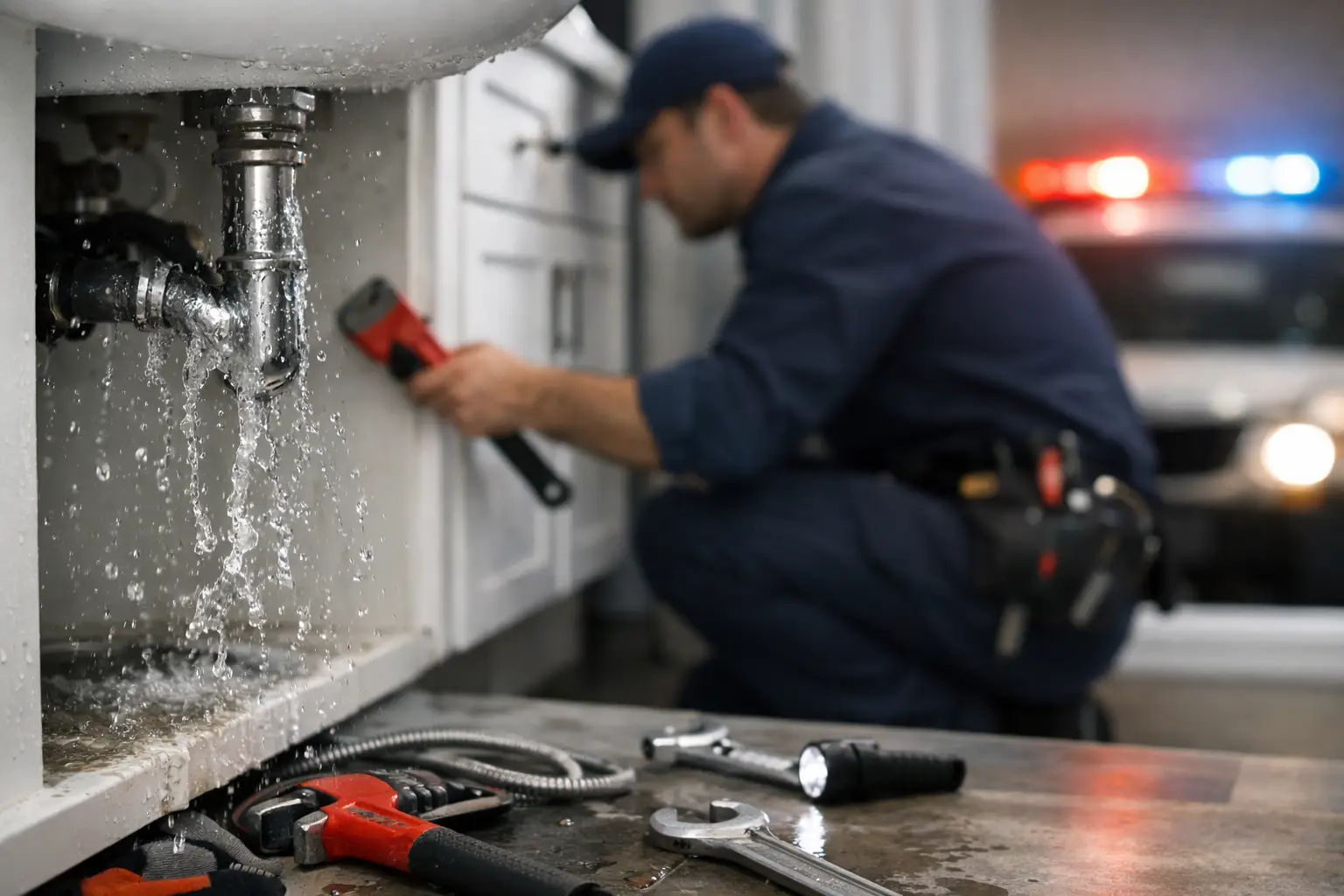
Start by finding the source of the water. If a toilet, faucet, appliance connection, or exposed pipe is leaking, use the nearest shutoff valve when possible. Toilets usually have a small valve behind or beside the fixture. Sinks often have individual hot and cold shutoffs underneath. Turning off the fixture-specific valve keeps water available elsewhere in the home.
If water is coming from a wall, ceiling, slab area, or a pipe you cannot isolate, shut off the main water supply. Many homes have a main shutoff near the water meter, outside wall, garage, or utility area. Every property owner should know where it is before an emergency hits. If the valve is stiff or hard to access, do not force it so aggressively that you create another problem. Call for help and explain what you are seeing.
Next, keep people clear of the affected area. Water near outlets, power cords, appliances, or a breaker panel can create an electrical hazard. Do not stand in water to unplug anything. If it is safe to do so without entering the wet area, turn off power at the breaker for that part of the home.
Move dry items away from the leak, including rugs, furniture, electronics, and paper goods. Place towels or a shallow container beneath a slow drip, but do not rely on a bucket as a solution for active flooding. Take a few photos or a short video of the damage before cleanup if you may need to document the event for insurance.
When a Fort Lauderdale Emergency Plumber Is Needed
Some plumbing problems can wait for a regular appointment. A dripping faucet, a slowly running toilet, or a single sink draining a little slowly usually does not require a middle-of-the-night visit. Still, those problems deserve timely repair before they become bigger and more expensive.
An emergency call is the right move when water is actively leaking or flooding, a pipe has burst, sewage is backing up, or you have lost water service unexpectedly. It is also appropriate when a major drain blockage affects multiple fixtures, such as toilets bubbling when the shower runs or water rising in a tub after flushing. Those signs can point to a main drain or sewer line issue rather than a simple clog.
A leaking water heater deserves prompt attention as well. The tank can release a surprising amount of water, and a failed connection can worsen quickly. For a gas water heater, leave the area and call for professional help if you smell gas. Do not operate switches, use open flames, or try to troubleshoot a possible gas leak yourself. Contact your gas utility or emergency services from a safe location when necessary.
If you are unsure whether the situation qualifies, focus on the risk: Is water continuing to spread? Is sewage entering the home? Could the issue damage walls, floors, wiring, or a neighboring unit? If the answer is yes, it is time to call.
What Not to Do While You Wait
Emergency plumbing is stressful, and it is easy to reach for a fast fix that causes more damage. Avoid chemical drain cleaners, especially when a drain is fully blocked or sewage is present. These products can sit in pipes, damage certain materials, create fumes, and make the job more hazardous for the technician who must open the line later.
Do not repeatedly flush a toilet that is rising instead of clearing. Shut off the toilet valve, remove the tank lid if needed, and lift the float to stop additional water from entering the bowl. A plunger may help with a simple blockage, but stop if the water level keeps climbing or if more than one fixture is involved.
Skip temporary tape repairs on pressurized pipes if the leak is significant. Tape may slow a small drip, but it will not hold against a failed pipe, corroded fitting, or broken valve. More importantly, do not cut into walls, floors, or plumbing lines unless you have the training and tools to do it safely.
Clear access to the affected fixture or area instead. Secure pets, open a gate if needed, and make sure the technician can reach the shutoff, water heater, drain cleanout, or leak area without delay. These practical steps help the repair start faster.
What Honest Emergency Service Should Look Like
During a plumbing emergency, clear communication matters as much as speed. You should be able to describe the problem, receive straightforward instructions on immediate safety steps, and know when help is expected. A professional should arrive prepared to inspect the issue, identify the likely cause, and explain the repair options before work begins.
Ask whether emergency, weekend, or after-hours fees apply. Many homeowners find out too late that an urgent call came with inflated pricing or unnecessary add-ons. Blue Tide Plumbing provides 24/7 emergency service with a targeted 30-minute response time and no after-hours or weekend upcharge guaranteed. The company’s approach is simple: inspect the problem, provide upfront pricing, and recommend the repair that addresses the actual issue.
The repair itself depends on what failed. A burst pipe may require replacing a section of damaged line and checking nearby fittings for weakness. A sewer backup may call for drain cleaning, a camera inspection, or hydro jetting if buildup is the underlying cause. A hidden leak may need leak detection before any targeted repair can begin. The right solution is not always the biggest or most expensive one. It should fit the condition of the plumbing and the evidence found on site.
For peace of mind, ask about licensing, insurance, technician screening, and workmanship coverage. Emergency work should not feel rushed in the wrong way. The response may be fast, but the diagnosis and repair should still be careful, documented, and built to last.
After the Water Is Stopped
Once the immediate repair is complete, pay attention to what happens over the next day or two. Watch for recurring drips, slow drains, changes in water pressure, damp drywall, or musty odors. Water can travel farther than it first appears, particularly behind cabinets, under flooring, and inside walls.
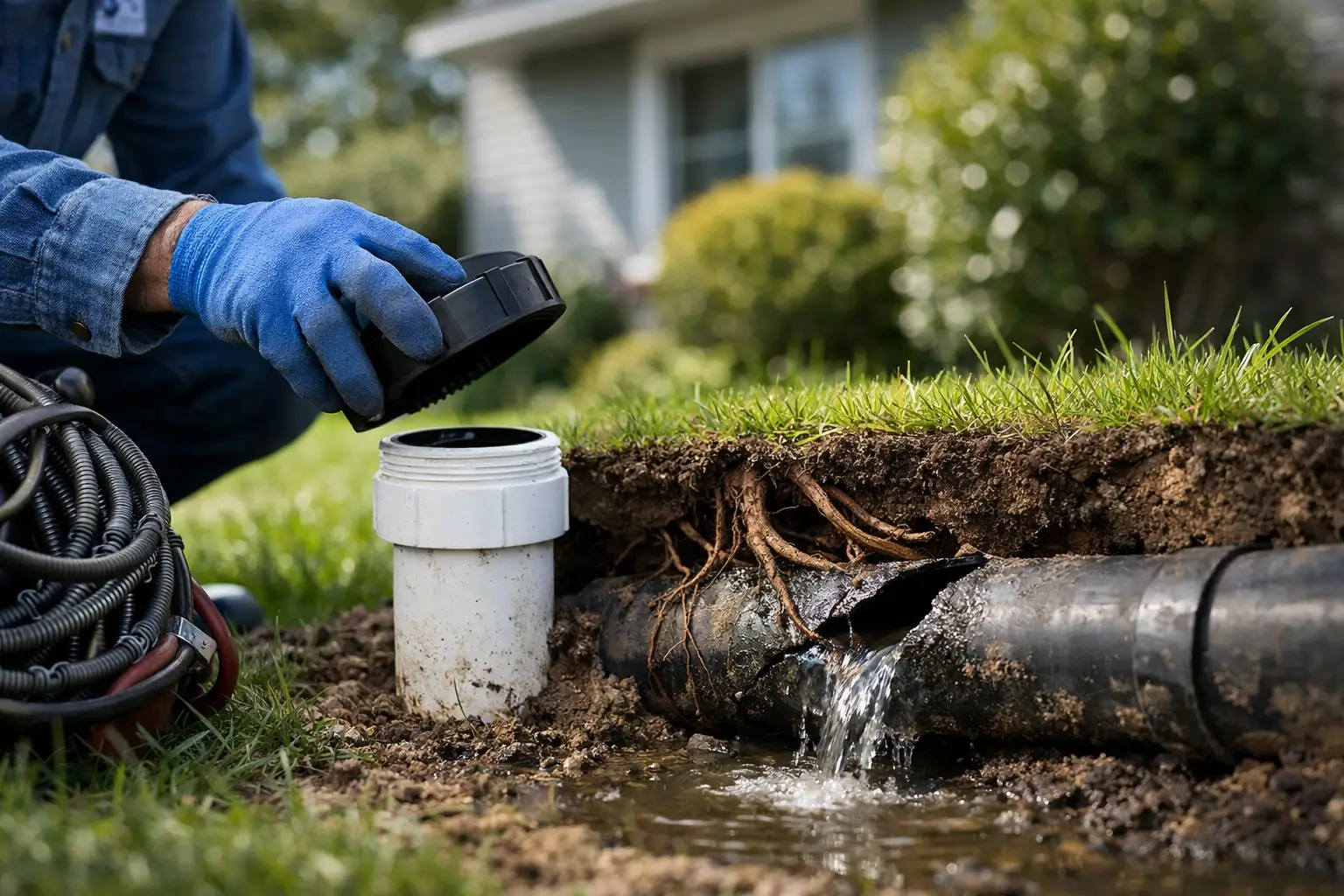
If the emergency involved a backup or recurring blockage, consider a camera inspection. It can show whether the issue was caused by grease buildup, roots, scale, a damaged line, or another obstruction deeper in the system. That information helps you avoid paying for repeat emergency calls without addressing the cause.
A plumbing inspection is also worthwhile after buying a home, before listing one for sale, or when a property has older pipes and a history of repairs. Preventive service does not eliminate every surprise, but it gives you a better chance of catching worn valves, slow leaks, and drain problems before they disrupt your home or business.
Keep the main water shutoff accessible, save the number of a plumber you trust, and act early when water starts going where it should not. That preparation can turn a frantic emergency into a controlled repair.