
A small water stain below a cabinet can be easy to ignore. So can a toilet that occasionally gurgles, a faucet that has lost pressure, or a drain that needs a little more time each week. In South Florida, those minor signs can turn into water damage, sewer trouble, or an unexpected repair faster than most property owners expect. Plumbing inspections give you a clear picture of what is happening behind walls, beneath floors, and inside drain lines before the problem controls the schedule.
For homeowners, sellers, and business owners, an inspection is not about looking for reasons to replace everything. It is about getting honest answers: what is working, what needs attention now, and what can be monitored and planned for later.
What Plumbing Inspections Actually Cover
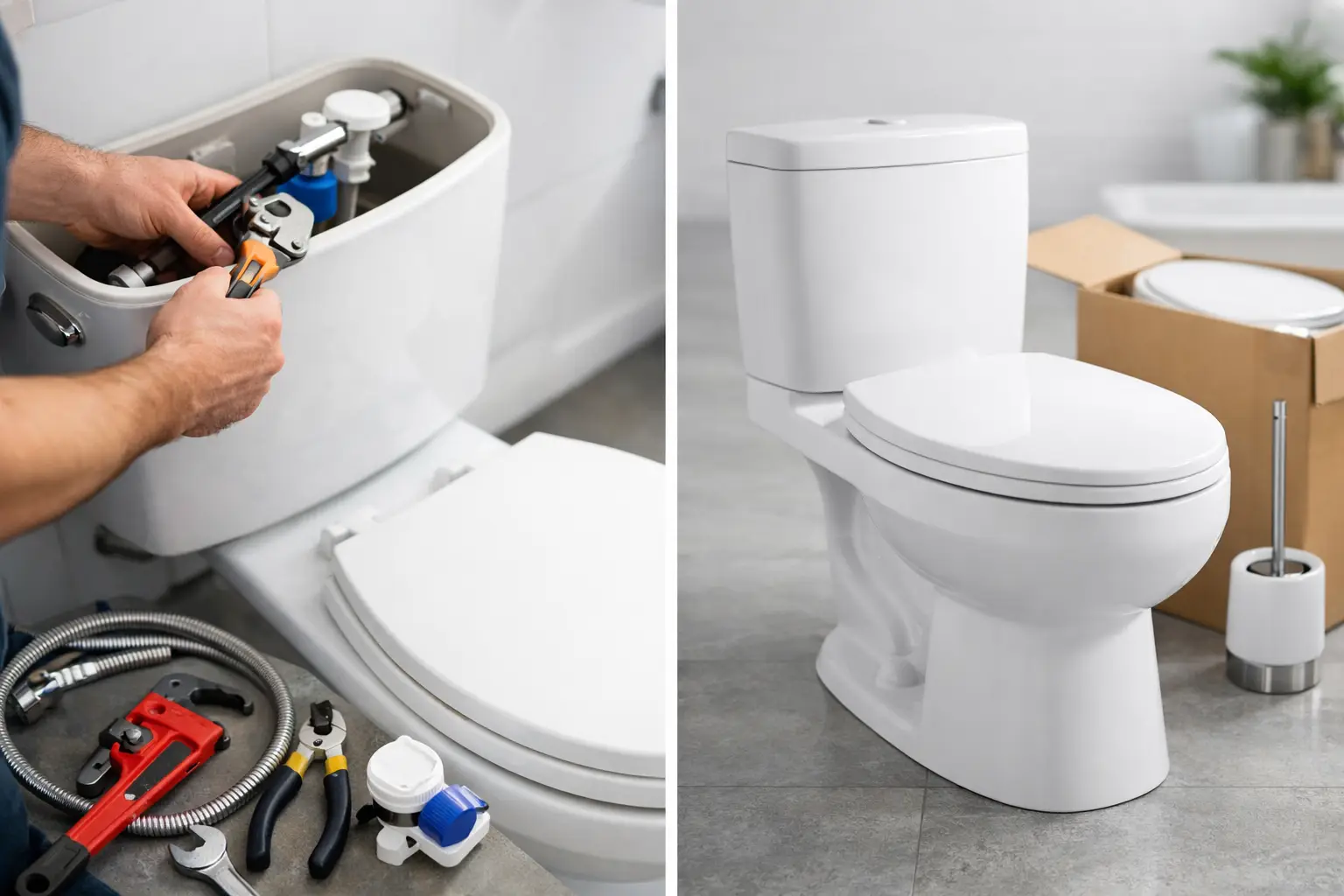
A proper plumbing inspection should be targeted to the property and the concern that brought you in. A technician starts with visible fixtures and accessible plumbing, then follows the evidence. That may mean checking water pressure, testing toilets, running faucets and drains, inspecting shutoff valves, looking for active leaks, and reviewing the condition of exposed supply and drain piping.
The inspection can also include water heaters, garbage disposals, hose bibs, laundry connections, and the main water shutoff. In a commercial setting, the focus may extend to restrooms, utility sinks, breakroom plumbing, and high-use drains that can disrupt daily operations.
When a drain problem is suspected, a camera inspection may be the right next step. A camera can show buildup, root intrusion, damaged pipe sections, offset joints, or blockages that cannot be confirmed from above the floor. It is useful when symptoms point to a problem in the sewer or main drain line, but it is not automatically necessary for every property. Good diagnostics match the tool to the issue instead of adding services that do not solve a clear problem.
Inspection versus a general home inspection
A general home inspection is valuable during a real estate transaction, but it is broad by design. The inspector may identify visible concerns such as corrosion, slow drainage, or an aging water heater. A plumbing inspection goes further into the plumbing system itself, particularly when there are warning signs or the property has older pipes.
If you are buying or selling a home, a dedicated plumbing evaluation can help prevent disagreements after closing. It can identify active leaks, drain restrictions, poor repairs, or pipe conditions that deserve a closer look before a buyer commits or a seller lists the property as problem-free.
When to Schedule a Plumbing Inspection
The best time is before a minor issue becomes an emergency. That does not mean every homeowner needs the same schedule. A newer home with no symptoms may only need an inspection as part of routine maintenance or before a major purchase decision. An older property, a rental, or a building with a history of leaks may benefit from more regular checks.
Schedule an inspection promptly when you notice recurring drain clogs, inconsistent water pressure, unexplained increases in your water bill, mildew odors, wet spots, discolored water, or water around a water heater. Toilets that rock, run continuously, or back up repeatedly also deserve more than a quick temporary fix.
There are several moments when an inspection offers particular value:
- Before buying or selling a property, especially when the home is older or plumbing records are limited.
- After a sewer backup, burst pipe, major clog, or water damage event.
- Before remodeling a bathroom, kitchen, laundry room, or commercial restroom.
- When a property has been vacant for an extended period or is being prepared for seasonal occupancy.
- As preventative maintenance for facilities, rentals, and homes with aging supply or drain lines.
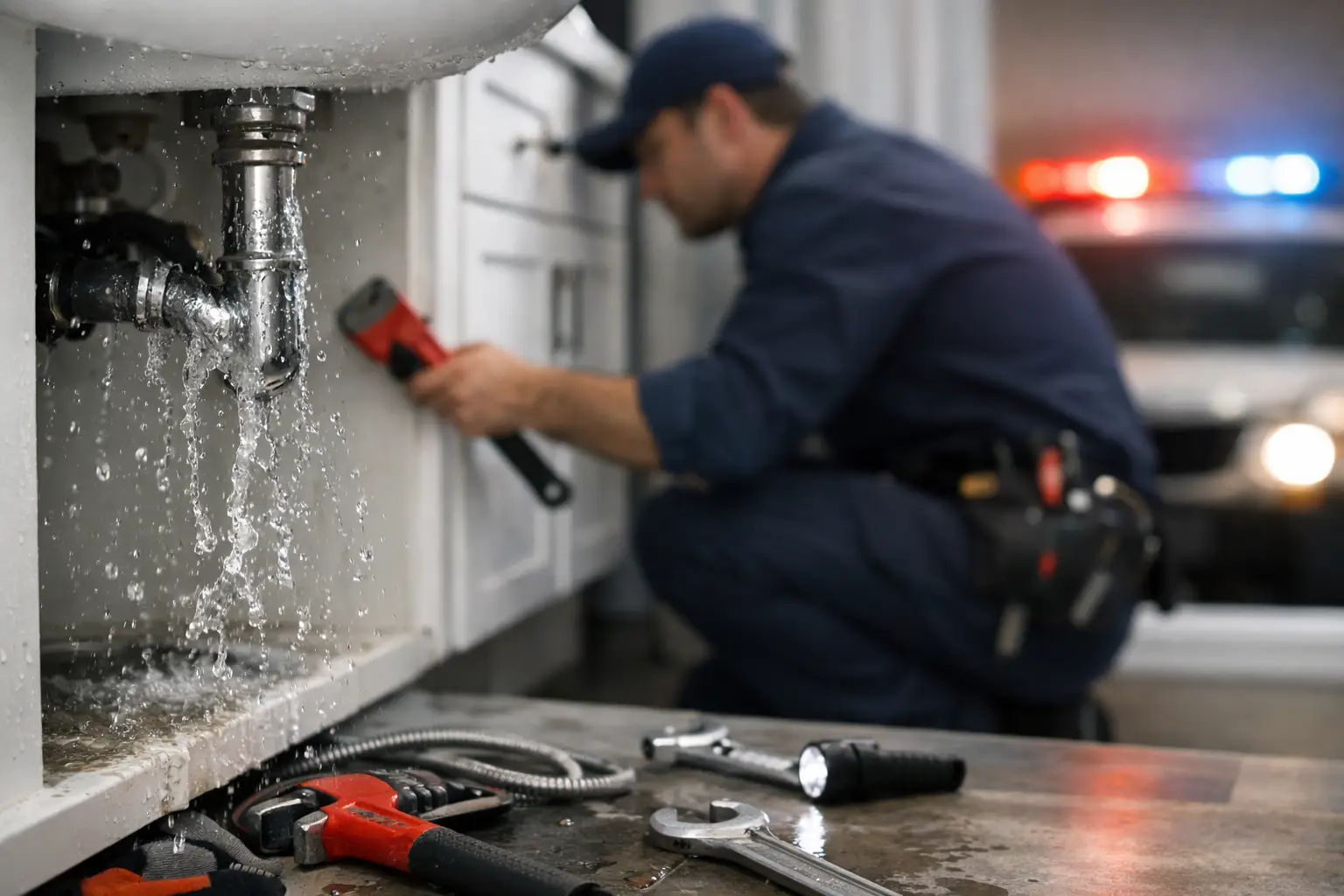
A leak does not have to be dramatic to cause real damage. Slow leaks can soak cabinets, subfloors, drywall, and insulation over time. They also create the conditions for mold growth, which makes a repair more disruptive and expensive than it needed to be.
What South Florida Properties Need to Watch For
Miami, Fort Lauderdale, and Hollywood properties face plumbing conditions that are not always obvious from inside the home. High humidity can make it harder to spot moisture problems early. Heavy rain can expose drainage weaknesses. Mature landscaping can contribute to root intrusion in underground sewer lines. Older homes may also have pipe materials, fittings, or previous repairs that require closer attention.
Water pressure is another area worth checking. Excessively high pressure can strain fixtures, supply lines, appliance connections, and water heaters. Low pressure can point to restrictions, valve issues, leaks, or problems with the water supply. The cause matters. Replacing a faucet will not correct a restriction elsewhere in the system.
For properties with cast iron drain lines or uncertain sewer history, camera work can be especially helpful when drains are slow, backups recur, or renovations are planned. The goal is not to assume the worst. It is to see the condition of the line and make decisions based on facts.
A Clear Inspection Should Lead to Clear Options
An inspection is only useful if you understand the findings. You should receive plain language about what was observed, what the likely cause is, and what action makes sense. If repair is recommended, ask whether it is urgent, preventative, or optional monitoring. Ask what could happen if you wait and whether there are alternatives.
Some issues require same-day repair. An active leak, sewer backup, failed shutoff valve, or unsafe water heater condition should not sit on a to-do list. Other concerns can be scheduled around your budget, such as replacing a worn fixture, updating an aging valve, or cleaning a drain line before it becomes fully blocked.
That distinction matters because homeowners should not feel pressured into work they do not need. At the same time, delaying a confirmed active problem simply because it is inconvenient can create larger costs. Honest service means giving you the facts, the priority level, and the pricing upfront so you can decide with confidence.
Preparing for the Technician’s Visit
A little preparation helps the inspection move efficiently. Make note of where and when you see the issue. Does the drain back up only after showers? Does water pressure change when another fixture runs? Has the water bill increased? Photos of stains or puddles can be useful if the issue comes and goes.
Clear access to the water heater, under-sink cabinets, utility room, and any affected bathrooms when possible. If you know where the main shutoff is located, point it out. If you do not know, an inspection is a good time to learn. In a plumbing emergency, finding that valve quickly can limit the damage before help arrives.
For sellers and property managers, gather any available records for previous repairs, sewer work, water heater replacement, or recurring drain service. Those details can help a technician identify patterns and avoid repeating failed fixes.
Do Not Wait for a Catastrophe
Plumbing systems rarely fail on a convenient day. A pipe can burst overnight, a main line can back up before guests arrive, and a leaking supply line can damage a room while nobody is home. Preventative inspections cannot eliminate every emergency, but they can reduce the surprises caused by neglected warning signs.
Blue Tide Plumbing approaches inspections the same way it approaches repairs: with disciplined diagnostics, direct communication, and respect for your property. If an issue needs immediate attention, the priority is to stop the damage and explain the repair clearly. If it can wait, you deserve to hear that too.
Pay attention to the small changes in your plumbing. A quick inspection now may be the difference between a controlled repair and a disruption that affects your home, your business, or your next real estate transaction.